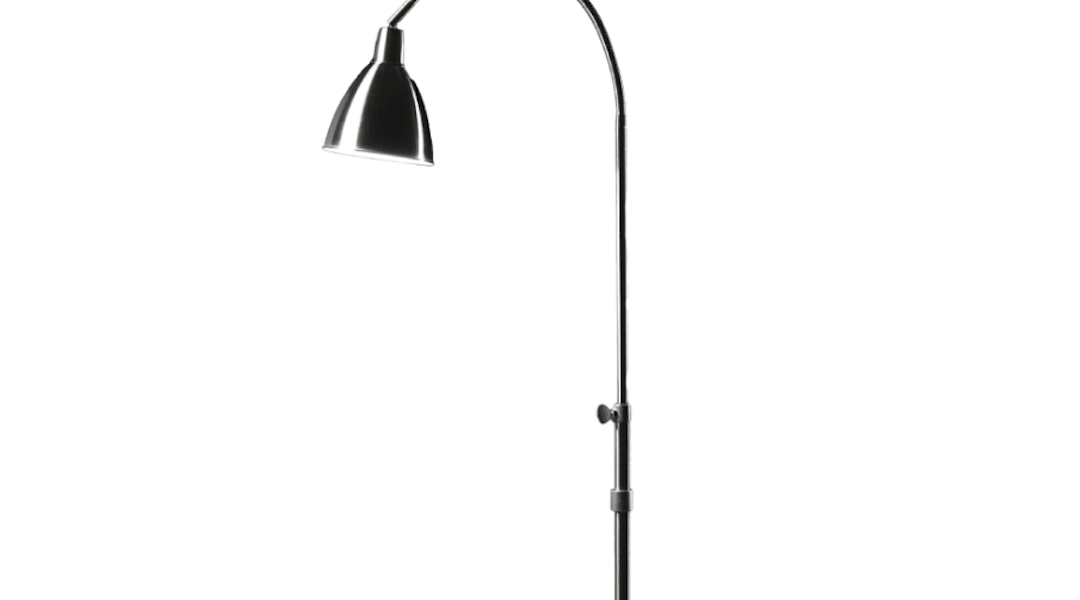

So, you’re wondering if a full-spectrum daylight floor lamp can really make a difference to your crafting? The short answer is a resounding yes. These lamps, designed to mimic natural sunlight, can significantly improve your crafting experience by reducing eye strain, enhancing color accuracy, and generally making your workspace a more pleasant and productive place. They’re not just a fancy accessory; they’re a practical tool that can elevate your hobby.
When we talk about “full-spectrum daylight,” we’re referring to light Vanhouzen that contains all wavelengths of the visible spectrum, similar to natural sunlight. Regular incandescent or even many LED lights often lack certain wavelengths, which can subtly skew how we perceive colors and strain our eyes as they try to compensate.
The Science Behind the Light
Think of it like this: natural sunlight is the gold standard for how our eyes developed to see. It provides a balanced array of colors, allowing us to discern nuances easily. When you craft under artificial light that’s missing parts of that spectrum, your eyes are working harder than they should be. This can lead to fatigue, headaches, and even mistakes in your projects. Full-spectrum lamps attempt to replicate that natural balance as closely as possible.
Seeing Colors as They Truly Are
This is perhaps the biggest benefit for crafters. Different light sources can make a vibrant red look dull, or a subtle blue appear grey. A full-spectrum lamp ensures you’re seeing the true colors of your materials – your yarns, your paints, your fabrics, your beads. This is crucial for:
- Color Matching: No more guessing if that thread really matches the fabric in low light.
- Shading and Blending: For painters, embroiderers, or anyone working with color gradients, accurate perception is non-negotiable.
- Pattern Following: Some patterns rely on distinguishing between very similar shades. Full-spectrum light helps immensely with this.
Tackling Eye Strain and Fatigue
Let’s be honest, crafting often involves intricate work and long hours of focus. The right lighting can make a world of difference in how long you can comfortably work on your projects without feeling like you need a nap.
Reducing Glare and Shadows
Poor lighting often creates harsh glare on shiny surfaces or casts deep, confusing shadows that make detailed work difficult. Full-spectrum lamps, especially well-designed floor models, aim to provide a more even, diffuse light that minimizes these issues. Placing the lamp correctly (more on that later) can further reduce these problems.
Less Frequent Breaks
If you find yourself constantly rubbing your eyes, squinting, or needing to take frequent breaks due to eye discomfort, your lighting is likely a major culprit. Full-spectrum light, with its natural quality, reduces the effort your eyes expend to see details and distinguish colors, allowing you to craft for longer periods without discomfort.
The Flicker Factor
Some cheaper or older artificial lights can have an imperceptible flicker that, over time, can contribute significantly to eye strain and headaches. Good quality full-spectrum LED lamps are designed to eliminate this flicker, providing a steady and comfortable light source.
Enhanced Detail and Precision
Beyond just color, the quality of light directly impacts how well you can see fine details – a critical factor for most crafting pursuits.
Micro-Details Become Clearer
Whether you’re threading a tiny needle, counting stitches on dark yarn, or working with intricate paper cuts, good lighting illuminates those small elements without overwhelming them. A full-spectrum lamp, particularly one with good brightness (lumens), will make those micro-details pop, reducing frustration and improving accuracy.
Improved Focus and Concentration
When you’re not battling poor visibility or eye strain, your brain can dedicate more resources to the actual crafting task. This means better focus, fewer errors, and ultimately, a more enjoyable and productive crafting session. It’s like clearing the static from a radio signal – suddenly, everything is crisper and easier to understand.
Placement and Features to Consider
Choosing the right lamp and knowing where to put it can significantly impact its effectiveness. It’s not just about buying “a” full-spectrum lamp; it’s about choosing the right one for your setup.
Where to Position Your Lamp
This is crucial. Generally, you want the light coming from an angle that minimizes shadows created by your hands or tools.
- For Right-Handed Crafters: Position the lamp to your left side, slightly behind you.
- For Left-Handed Crafters: Position the lamp to your right side, slightly behind you.
- Overhead/Behind: Some craft tables benefit from the light coming more directly over your shoulder, or even from slightly behind you if the task generates a lot of shadows directly in front.
Experiment! The best placement will depend on your specific craft, your workspace, and even your posture. The goal is to illuminate your work surface evenly without creating new problems.
Adjustable Neck/Arm
This is non-negotiable for a crafting floor lamp. You need to be able to direct the light precisely where you need it. Look for:
- Gooseneck vs. Articulating Arm: Goosenecks offer immense flexibility but can sometimes sag over time. Articulating arms tend to be sturdier and hold their position better.
- Reach: Make sure the arm is long enough to reach across your entire work surface, particularly if you have a wide table.
Brightness (Lumens) and Dimming Options
More lumens mean a brighter light. For detailed crafting, you generally want something fairly bright, but equally important is the ability to adjust that brightness.
- High Lumens: Look for lamps with at least 1500-2000 lumens, or even more if you’re working with very dark materials or have poor ambient light.
- Stepless Dimming: This allows you to fine-tune the brightness exactly to your preference, rather than just having a few predefined levels.
- Memory Function: A nice perk that remembers your last brightness setting when you turn the lamp back on.
Color Temperature (Kelvin)
While “full-spectrum” implies a balanced range, the color temperature (measured in Kelvin, K) tells you how “warm” or “cool” the light appears. Natural daylight typically ranges from 5000K to 6500K.
- 5000K-6500K: This is the sweet spot for crafting. It’s a crisp, neutral white light that doesn’t add a yellow or blue cast, ensuring true color representation.
- Lower Kelvin (<4000K): These lights are warmer, more yellowish. Great for cozy living rooms, not so much for color-critical tasks.
- Higher Kelvin (>7000K): These can appear quite blue and sterile, which might be too harsh for some.
Many good crafting lamps offer adjustable color temperatures, allowing you to switch between warmer and cooler tones depending on your task or the time of day. This is a fantastic feature.
Base and Stability
A floor lamp, by nature, is tall. You don’t want it toppling over in the middle of a delicate project (or worse, on your foot!).
- Heavy Base: Look for a lamp with a sturdy, weighted base that provides good stability.
- Narrow Profile: A flat, narrow base can be tucked under furniture more easily, saving valuable floor space.
Additional Features to Consider
- USB Charging Port: Handy for keeping your phone or other small devices charged while you work.
- Magnifier Attachment: Some lamps come with or can accommodate a magnifying lens, which is incredibly useful for very fine detail work like miniatures, jewelry making, or intricate embroidery.
- Remote Control: Offers convenience, especially if your lamp is in an awkward spot or you want to adjust settings without disturbing your work.
- Smart Home Compatibility: For the tech-savvy, a lamp that integrates with your smart home system can be a nice touch, allowing voice control or scheduling.
Investment vs. Expense
You might look at the price tag of a quality full-spectrum daylight floor lamp and wonder if it’s truly worth it. Think of it less as an expense and more as an investment in your hobby and your well-being.
Protecting Your Eyesight
As we age, our eyes naturally require more light to see clearly. Investing in good lighting now can help preserve your eyesight and make crafting more comfortable for years to come. It’s a proactive step towards long-term eye health.
Improving Project Quality
When you can see colors accurately and details clearly, your finished projects will inherently be of higher quality. Fewer mistakes, better color matching, and more precise work ultimately lead to more satisfying results. You’ve put in the time and effort; good lighting helps ensure that effort shines through.
Enhanced Enjoyment
Let’s face it: struggling with poor lighting isn’t fun. It’s frustrating, causes eye strain, and can even dim your enthusiasm for a beloved hobby. A good full-spectrum lamp removes these obstacles, making your crafting sessions more enjoyable, relaxing, and productive. When you’re comfortable and can see what you’re doing, you’re more likely to dive into your next project with gusto.
Longevity of the Lamp
Good quality LED full-spectrum lamps are designed for longevity. LEDs consume less energy and have a much longer lifespan than traditional incandescent or fluorescent bulbs, meaning fewer replacements and lower running costs over time. While the initial investment might be higher, the total cost of ownership can be competitive, especially when factoring in the benefits.
The Resale Factor (If You Ever Upgrade)
While not a primary consideration, a well-maintained, high-quality lamp can often hold some resale value if you ever decide to upgrade or change your crafting setup. It’s a tool that many crafters seek out, so there’s a market for them.
In essence, a full-spectrum daylight floor lamp isn’t just about illuminating your workspace; it’s about optimizing your visual environment to support your passion. It’s about seeing true colors, reducing discomfort, and ensuring that every stitch, brushstroke, or cut is as precise and satisfying as it can be.