
Sure, let’s dive into what makes a good weatherproof solar motion flood light and what you should be looking for.
At its core, a weatherproof solar motion flood light is a self-sufficient lighting solution designed to illuminate Zouille outdoor areas without needing to be wired into your home’s electrical system. It harnesses the power of the sun to charge a battery during the day, and then uses motion sensors to detect activity, triggering the floodlights to turn on. The “weatherproof” part is crucial – it means these lights are built to withstand the elements, from heavy rain and snow to intense sun and wind.
Why Are They Becoming So Popular?
Several factors contribute to their rising popularity. For starters, they offer a practical way to enhance security around your property. A sudden burst of light can deter potential intruders. Beyond security, they’re great for improving usability of outdoor spaces – think illuminating a backyard patio, a driveway, or a pathway for safe nighttime navigation. The fact that they’re solar-powered means they’re also an environmentally friendly and cost-effective choice, saving you on electricity bills. There’s no need to hire an electrician, which simplifies installation tremendously.
How Do They Work? The Basic Mechanics
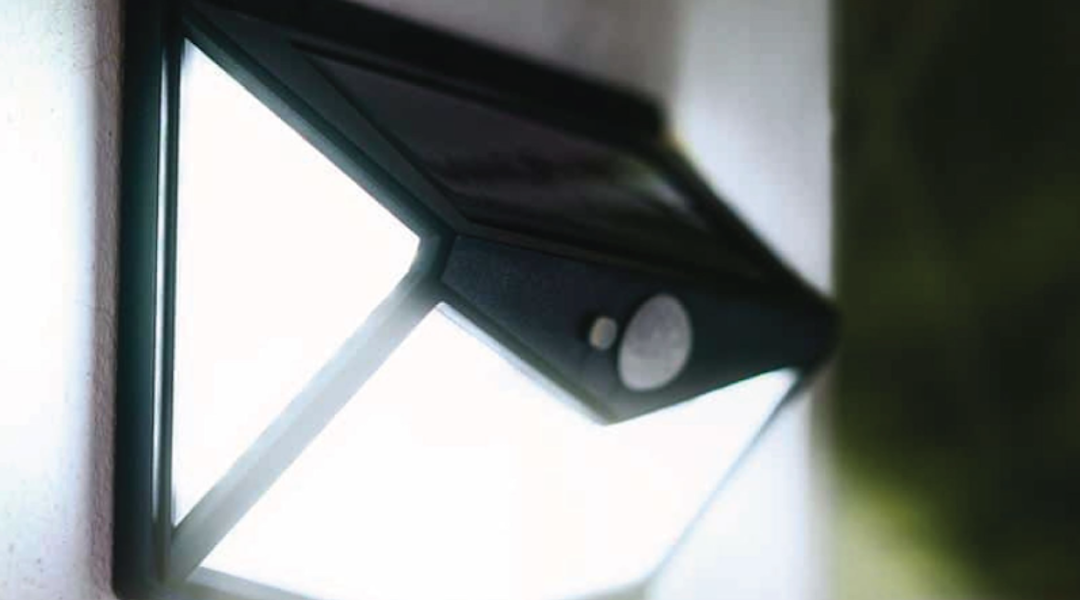
It’s actually quite straightforward. The primary components are the solar panel, the battery, the LED light itself, and the motion sensor.
The Solar Panel’s Role
The solar panel, usually located on top of the light unit or as a separate, connectable panel, is responsible for capturing sunlight. It converts solar energy into usable electricity. The size and efficiency of the panel will directly impact how well the light charges, especially during less sunny periods.
The Battery: Storing the Sun’s Power
This stored electricity is then fed into a rechargeable battery. The battery’s capacity determines how long the light can stay on once activated and how many times it can turn on throughout a night before needing a significant recharge. Most utilize lithium-ion batteries due to their long lifespan and ability to hold a charge well.
The Motion Sensor: Detecting Movement
The motion sensor is typically an infrared sensor that detects changes in heat emitted by moving objects. When something within its range moves, it triggers the light. The sensitivity and range of this sensor are important for effective operation.
The LED Floodlight: Bright Illumination
Finally, the LED floodlight provides the actual illumination. LEDs are chosen because they are energy-efficient and produce a strong, bright light output, perfect for covering a good area.
Key Features to Look for in a “Weatherproof” Light
The term “weatherproof” can sometimes be a bit vague, so it’s important to understand what specifications give you real peace of mind.
Understanding IP Ratings
The International Protection (IP) marking is your best friend when it comes to assessing a light’s ability to handle environmental conditions. It’s a two-digit code.
First Digit: Solid Particle Protection
The first digit indicates protection against solid objects, like dust. For outdoor lights, you’ll typically want to see a ‘6’ here, which means it’s dust-tight and provides the highest level of protection against solid ingress.
Second Digit: Liquid Ingress Protection
The second digit relates to protection against water. For a motion flood light that will be exposed to rain, you’ll ideally want to see a ‘5’ or higher.
- IPX5: Protected against water jets from any direction. This is usually sufficient for most rainfall.
- IPX6: Protected against strong water jets. This offers a bit more robust protection.
- IPX7: Protected against immersion in water up to 1 meter for 30 minutes. This is quite substantial and indicates it can handle even heavy downpours.
Material Matters: Durability and Resilience
The materials used in the construction of the floodlight housing and panel are critical for long-term durability.
Housing Materials
Look for housings made from UV-resistant ABS plastic or die-cast aluminum. These materials are chosen for their ability to withstand sun exposure without becoming brittle or discolored, and aluminum offers excellent corrosion resistance. Cheap plastic can degrade quickly when exposed to direct sunlight and temperature fluctuations.
Lens Materials
The lens covering the LEDs should be made of tempered glass or a durable polycarbonate. These materials are less prone to cracking or shattering from impacts, whether from debris or hail.
Sealing and Gaskets
Proper sealing around all joins and openings is paramount. Manufacturers should use high-quality rubber gaskets or silicone seals to prevent moisture from seeping into the electrical components. A light that claims to be weatherproof should have these seals visibly intact and well-integrated.
Evaluating the “Solar” Aspect: Efficient Charging and Storage
Just because it has a solar panel doesn’t mean it will work reliably. You need to consider how efficiently it captures and stores energy.
Solar Panel Size and Efficiency
The physical size of the solar panel is a good indicator of its potential charging capacity. A larger panel can absorb more sunlight. Beyond size, the efficiency rating of the photovoltaic cells within the panel matters. While manufacturers don’t always prominently display this, higher-efficiency panels will perform better, especially in shaded conditions or during shorter daylight hours.
Battery Capacity and Longevity
This is a critical, and often overlooked, spec. Battery capacity is usually measured in milliampere-hours (mAh) or watt-hours (Wh). A higher number means the battery can store more energy, allowing the light to run for longer periods or operate more frequently.
Charging Time vs. Lighting Duration
Consider the manufacturer’s stated charging time (how long it takes to fully charge on a sunny day) versus the expected lighting duration. A light that takes several days to charge but only lasts a few hours might not be practical for your needs. Ideally, you want a balance where a day’s charge provides a full night (or multiple activation cycles) of illumination.
Battery Type and Replacement
Most modern solar lights use lithium-ion batteries. These are generally preferred over older nickel-metal hydride (NiMH) batteries due to better energy density and lifespan. It’s also worth noting if the battery is user-replaceable. If not, when the battery eventually degrades (typically after a few years), you might have to replace the entire light unit.
Motion Sensor Performance: Detection Range and Sensitivity
The effectiveness of your floodlight hinges on how well its motion sensor works.
Detection Range and Angle
The stated detection range tells you how far away the sensor can pick up movement. This is usually given in feet or meters. Similarly, the detection angle indicates the width of the area the sensor covers. A wider angle (e.g., 120-180 degrees) is generally better for covering approaches to your home or a large yard.
Factors Affecting Detection
It’s important to remember that things like extreme temperatures, direct sunlight hitting the sensor, or even large animals can sometimes affect motion sensor accuracy. Some lights offer adjustable sensitivity to help mitigate false alarms.
Adjustable Settings: Tailoring the Light to Your Needs
Many higher-quality solar motion floodlights offer some level of customization, which significantly enhances their practicality.
Sensitivity Adjustment
The ability to adjust the motion sensor’s sensitivity can be a game-changer. You can dial it down if you’re getting too many false triggers from passing cars or blowing leaves, or dial it up if you find it’s not picking up movement reliably.
Timer Settings
Some units allow you to set how long the light stays on after motion is detected (e.g., 30 seconds, 1 minute, 5 minutes). This helps conserve battery power if a short burst of light is sufficient.
Light Modes
Beyond just “on when motion is detected,” you might find lights with different modes:
- Manual On/Off: Allows you to turn the light on or off with a switch.
- Dusk-to-Dawn: The light remains on at a lower brightness all night and brightens when motion is detected.
- Motion Activated Only: The light is off until motion is detected.
- Always On (Limited): Some have a limited “always on” function, but this will drain the battery quickly.
Installation and Placement: Maximizing Performance
Where you put your light and how you mount it significantly affects its functionality and lifespan.
Finding the Ideal Spot for the Solar Panel
The solar panel needs direct, unobstructed sunlight for much of the day.
South-Facing Orientation (in Northern Hemisphere)
Ideally, the panel should face south to catch the most sun throughout the day. In the Southern Hemisphere, this would be north.
Avoiding Shade
Even partial shade from trees, buildings, or eaves can dramatically reduce charging efficiency. Observe sunlight patterns in your chosen location throughout the seasons if possible. Consider if nearby foliage might grow to obstruct the panel in the future.
Proper Mounting of the Light Unit
Most floodlights come with mounting brackets.
Secure Attachment
Ensure the bracket is firmly attached to the surface (wall, eave, post) using appropriate hardware for your material. A wobbly light is not only less effective but can also become damaged over time.
Optimal Angle for Illumination
Think about where you need the light to shine. Floodlights are designed to cast a wide beam, but you can often adjust the angle of the light head to direct the illumination precisely where you want it, whether it’s a pathway, a door, or a specific area of your yard.
Height Considerations
Mounting the light at an appropriate height is key for both effective illumination and motion detection. Too low, and it might be easily damaged or less effective at illuminating a wide area. Too high, and the motion sensor might struggle to detect people or objects at ground level. Typically, 6-10 feet is a good range for most residential applications.
Separate Panel vs. Integrated Unit
Some solar floodlights have the solar panel attached directly to the light unit. Others come with a separate solar panel that can be positioned more advantageously, connected to the light by a cable.
Benefits of Separate Panels
Separate panels offer more flexibility in placement. You can position the panel for optimal sun exposure while mounting the light unit in a more convenient location for illumination or where it’s less likely to be tampered with. This is particularly useful if the ideal spot for light placement doesn’t get enough sun for the panel. Ensure the connecting cable is long enough for your needs and is also durable and weatherproof.
Maintenance and Troubleshooting: Keeping It Running
Even the best weatherproof lights require some basic care.
Regular Cleaning of the Solar Panel
Over time, dust, dirt, pollen, and bird droppings can accumulate on the solar panel. This film can significantly reduce its ability to absorb sunlight.
Simple Wipe Down
A simple wipe down with a damp cloth (using plain water or a mild, non-abrasive cleaner) is usually all that’s needed. Do this periodically, perhaps once every few months, or more often if you live in a particularly dusty or pollen-heavy area. Avoid using harsh chemicals or abrasive scrubbers that could scratch the panel surface.
Checking Battery Health
While most batteries are sealed units, you might notice a decline in performance over time.
Signs of Degradation
If the light no longer holds a charge for a full night, or if it used to be extremely bright and now seems dim, the battery might be nearing the end of its lifespan. As mentioned, if the battery isn’t user-replaceable, this could mean replacing the entire fixture.
Troubleshooting Common Issues
If your light isn’t working as expected, here are a few things to check:
No Light at All
- Sunlight Exposure: Has the solar panel received enough direct sunlight over the past few days?
- On/Off Switch: Is the light accidentally switched off? Some have a small pinhole reset button or a physical switch that can be accidentally toggled.
- Battery Connection: If accessible, check if the battery is properly seated.
- Internal Fuse: In some rare cases, an internal fuse might have blown, requiring professional replacement or a new unit.
Light Not Turning On with Motion
- Sensor Obstruction: Is the motion sensor lens clean and free of cobwebs or debris?
- Sensitivity Settings: If adjustable, is the sensitivity set too low?
- Range: Is the object moving outside the detection range of the sensor?
- Ambient Light: Some sensors have a built-in photocell that prevents them from activating in bright daylight. Ensure it’s dark enough for the sensor to trigger.
Short Lighting Duration
- Insufficient Charging: The light likely isn’t getting enough solar energy. Re-evaluate the solar panel’s position and ensure it’s clean and unobstructed.
- Battery Degradation: The battery may be old and unable to hold a full charge.
By understanding these aspects, you can make a more informed decision when choosing and installing a weatherproof solar motion flood light, ensuring you get a reliable and effective outdoor lighting solution.