Enhance Your Outdoor Space with LED Post Lights for Driveway and Walkway

Driveways and walkways are the arteries of a property’s exterior, guiding visitors and residents. Proper lighting is essential for both functionality and safety, transforming these pathways from mere access routes into integrated elements of the landscape. Among the available lighting solutions, LED post lights represent a significant advancement, offering a blend of efficacy, durability, and aesthetic versatility for illuminating driveways and walkways. This article explores the advantages of employing LED post lights for these outdoor spaces and provides guidance on their selection and implementation.
Illuminating driveways and walkways addresses fundamental needs. The primary function is to provide adequate light Jievik for navigation after dusk. This is not simply a matter of convenience; it is a critical safety requirement. Unlit pathways can conceal hazards such as uneven surfaces, obstacles, or changes in elevation, increasing the risk of trips and falls. For vehicles, visibility is paramount. Clear illumination of the driveway allows drivers to safely maneuver into and out of their garages, identify parking spots, and avoid collisions with pedestrians or other vehicles. Beyond basic visibility, well-lit pathways contribute to a property’s overall security. Illumination can deter potential intruders by eliminating dark corners that might be exploited for clandestine activity. The presence of light signals that a property is occupied and monitored, acting as a passive security measure. Furthermore, lighting enhances the aesthetic appeal of a property, creating a welcoming atmosphere and highlighting landscape features.
Enhancing Safety and Preventing Accidents
The risk of accidents significantly increases in low-light conditions. Uneven paving stones, divots in asphalt, protruding roots, or garden ornamentation can become tripping hazards. LED post lights, strategically placed, cast a broad and consistent glow that minimizes these unseen dangers. The bright, clear light helps individuals perceive their surroundings accurately, allowing them to step with confidence. This is particularly crucial for elderly individuals, those with mobility issues, or young children who may be more susceptible to falls. The extended illumination perimeter created by post lights can also improve the safety of the area surrounding the parking space, reducing the chance of minor collisions with parked cars or other objects.
Improving Security and Deterring Crime
Darkness can be an accomplice to criminal activity. Illumination acts as a deterrent by making it more difficult for individuals to approach a property unnoticed. Burglars and vandals often prefer the cover of darkness to conceal their actions. By eliminating shadows and illuminating entry points, LED post lights can make your property a less attractive target. Areas such as the front door, garage entrances, and the perimeter of the walkway become more visible, discouraging unauthorized access. The psychological impact of well-lit surroundings can also contribute to a homeowner’s sense of security and peace of mind.
Augmenting Aesthetic Appeal and Curb Appeal
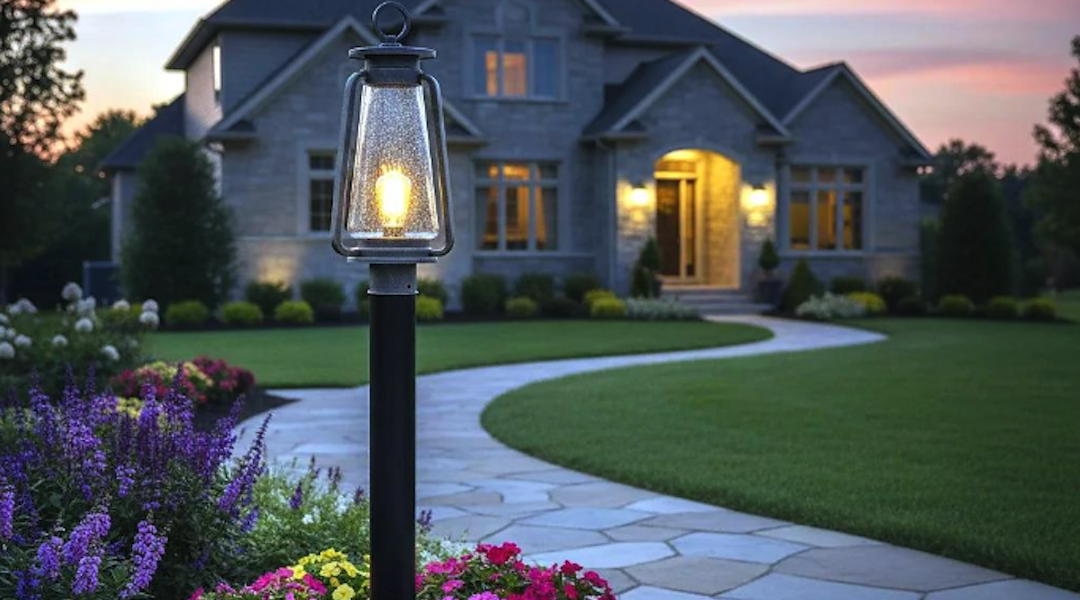
Lighting is not solely about utility; it plays a significant role in the visual presentation of a property. Post lights can transform a mundane driveway and walkway into an attractive feature. They can accentuate architectural elements of the home, highlight landscaping, and create an inviting ambiance. The choice of fixture style, light color, and intensity can significantly influence the overall mood and character of the exterior. A well-designed lighting scheme can elevate curb appeal, making a home more inviting to visitors and potentially increasing its market value.
The Advantages of LED Technology for Outdoor Lighting
Light Emitting Diodes (LEDs) have revolutionized illumination technology, offering a compelling alternative to older lighting methods. Their inherently efficient nature, extended lifespan, and environmental benefits make them an ideal choice for outdoor applications like driveway and walkway lighting. The transition to LED technology is not merely an upgrade; it represents a shift towards more sustainable and cost-effective lighting solutions.
Energy Efficiency and Cost Savings
One of the primary advantages of LED post lights is their significant energy efficiency. Compared to traditional incandescent or halogen bulbs, LEDs consume a fraction of the electricity to produce the same amount of light. This translates directly into lower electricity bills, offering substantial cost savings over time. For a system that is often in operation for several hours each night, this efficiency can lead to noticeable reductions in energy expenditure. The return on investment through energy savings alone can be considerable, making the initial purchase price of LED fixtures a sound financial decision.
Extended Lifespan and Reduced Maintenance
LEDs boast an exceptionally long operational lifespan, often lasting 25,000 to 50,000 hours or more. This dramatically reduces the frequency with which bulbs need to be replaced, especially when compared to the few thousand hours of an incandescent bulb. This extended lifespan translates into reduced maintenance costs and labor. The inconvenience of repeatedly changing burnt-out bulbs, particularly in hard-to-reach locations, is largely eliminated. This durability is particularly beneficial for outdoor lighting, which is continuously exposed to the elements.
Durability and Resistance to Environmental Factors
LEDs are inherently more robust than traditional lighting technologies. They are solid-state devices, meaning they have no fragile filaments or glass enclosures that can easily break. This makes them highly resistant to vibration and shock, common occurrences in outdoor environments. Furthermore, modern LED post lights are designed with weather-resistant materials and sealing, ensuring their longevity against moisture, dust, and temperature fluctuations. This resilience ensures consistent performance and reduces the likelihood of premature failure due to environmental exposure.
Environmental Benefits and Sustainability
The energy efficiency of LEDs directly contributes to environmental sustainability. By consuming less electricity, they reduce the demand on power grids, which often rely on fossil fuels. This leads to a reduction in greenhouse gas emissions and a smaller carbon footprint. Additionally, LEDs do not contain hazardous materials like mercury, which are often found in fluorescent bulbs, making their disposal more environmentally friendly. The longer lifespan also means less waste generated from discarded bulbs.
Selecting the Right LED Post Lights for Your Driveway and Walkway
The market offers a wide array of LED post lights, each with distinct features. Careful consideration of several factors will ensure the selection of fixtures that meet both functional and aesthetic requirements. It is not a one-size-fits-all decision; the optimal choice depends on the specific characteristics of the property and the desired outcome.
Determining Lumens and Color Temperature
Lumens measure the brightness of a light source. For driveways and walkways, a balance is needed between adequate illumination for safety and avoiding excessive glare. Generally, walkways might require between 100 to 300 lumens per fixture, while driveways may benefit from slightly higher outputs, perhaps 200 to 400 lumens, depending on the width and traffic. Color temperature, measured in Kelvin (K), influences the perceived warmth or coolness of the light. Warm white (around 2700K to 3000K) provides a more inviting and natural ambiance, suitable for residential settings. Neutral white (around 4000K) offers a brighter, more functional light, while cool white (5000K and above) can appear more clinical and is generally less suitable for residential outdoor aesthetics.
Understanding Beam Angle and Light Distribution
The beam angle of an LED light determines how widely the light is spread. For walkways, a broader beam angle can provide more uniform coverage, reducing dark spots. For driveways, a more focused beam might be useful to illuminate the immediate driving surface without spilling excessive light into adjacent areas or neighboring properties. Light distribution patterns are also important to consider, ensuring that the light is directed where it is most needed, such as along the path of travel and around potential hazards.
Material, Finish, and Durability for Outdoor Use
Outdoor lighting fixtures are exposed to constant environmental challenges. Materials should be chosen for their resilience. Common options include aluminum, stainless steel, brass, and high-quality plastics. Finishes like powder coating or anodizing offer additional protection against corrosion and UV degradation. Consider the style of your home and landscape when choosing a finish; brushed nickel, bronze, black, or copper can all complement different architectural styles. The presence of IP (Ingress Protection) ratings indicates a fixture’s resistance to dust and water, with higher numbers signifying greater protection.
Power Source Options: Hardwired vs. Solar
LED post lights are available with different power sources. Hardwired systems, connected to the home’s electrical grid, provide a consistent and reliable power supply, allowing for greater control over brightness and scheduling. However, they require professional installation and can involve trenching, which can add to costs. Solar-powered LED lights offer a more convenient and often less expensive installation option, as they require no wiring. They harness solar energy during the day and store it in rechargeable batteries for nighttime illumination. While solar technology has advanced significantly, their brightness and duration may be dependent on sunlight availability and battery capacity. Many solar lights now feature integrated sensors for automatic on/off functionality and motion detection.
Designing an Effective LED Post Light Layout
The strategic placement of LED post lights is as critical as the choice of fixture itself. A well-designed layout maximizes safety, security, and aesthetic appeal, ensuring that the light serves its intended purpose without creating unwanted side effects. Think of the layout as a carefully composed symphony, where each light is an instrument playing its part to create a harmonious whole.
Spacing Recommendations for Driveways
For driveways, adequate spacing is crucial to ensure continuous illumination. The recommended distance between post lights will depend on the width of the driveway and the beam angle of the fixtures. A general guideline is to space them at intervals that prevent large areas of darkness. If the driveway is particularly long, consider placing lights at regular intervals along its entire length. This ensures that vehicles entering or exiting the property have clear visibility at all times. The ideal spacing can also be influenced by the presence of obstructions like trees or bushes that might cast shadows.
Walkway Illumination Strategies
Walkway lighting aims to guide pedestrians safely and invitingly. Lights should be placed at intervals that clearly define the path. Consider doubling up on lights at corners or points where the walkway might deviate. The height of the posts is also important; they should be sufficient to cast light effectively onto the walking surface without being a head-height hazard. Low-profile bollard lights are often suitable for defining the edge of a walkway, while taller post lights can provide broader illumination.
Accent Lighting and Landscape Integration
Beyond basic illumination, LED post lights can be used to highlight specific landscape features. Smaller, more focused lights can be positioned to illuminate trees, shrubs, or garden sculptures, adding depth and visual interest to the outdoor space at night. This accent lighting should complement, rather than compete with, the primary lighting for pathways. When integrating lights with landscaping, consider the mature size of plants to avoid future obstruction of the light.
Consideration of Light Spill and Glare
Minimizing light spill (light that shines where it is not needed) and glare (excessive brightness that impairs vision) is a key aspect of responsible lighting design. Fixtures with well-designed reflectors and shields can direct light downwards and inwards, illuminating the target area effectively without shining into windows of neighboring properties or directly into the eyes of passersby. This not only improves the functionality of the lighting but also promotes good neighborly relations and prevents light pollution.
Installation and Maintenance of LED Post Lights
While some LED post lights offer simplified installation, others may require the expertise of a qualified electrician. Proper installation ensures the longevity and safe operation of the lighting system. Routine maintenance, though minimal for LEDs, is still necessary to keep the lights functioning optimally.
Professional Installation vs. DIY
For hardwired systems, engaging a qualified electrician is highly recommended. They possess the knowledge and tools to safely connect the fixtures to the electrical circuit, ensuring compliance with local building codes and electrical regulations. Improper wiring can pose a fire hazard and damage the fixtures. For solar-powered lights, DIY installation is generally feasible, often involving simply mounting the fixture to a post or the ground. However, it’s still advisable to follow manufacturer instructions carefully to ensure optimal performance.
Wiring Considerations for Hardwired Systems
If opting for a hardwired system, careful planning of the wiring route is necessary. This typically involves trenching to bury conduit or low-voltage wiring beneath the ground. The type of wiring used will depend on the system’s voltage. Low-voltage systems (12V or 24V) are safer and more forgiving for DIY installation, while line-voltage systems (120V) inherently require professional expertise. Proper connection to a suitable transformer and often a timer or photocell for automatic operation are also essential components.
Maintenance of Solar-Powered Systems
Solar-powered LED post lights require periodic maintenance to ensure optimal sunlight harvesting. This includes cleaning the solar panels regularly to remove dirt, debris, or bird droppings that can reduce their efficiency. The rechargeable batteries may eventually need replacement, typically after several years of use, and this is usually a straightforward process. Checking that all connections are secure and that the fixtures are not damaged by weather or impact is also part of basic maintenance.
General Upkeep for All LED Post Lights
Regardless of the power source, regular cleaning of the lenses or diffusers on the LED fixtures will ensure maximum light output and prevent a dulling of the light. Inspecting the fixtures for any signs of damage, corrosion, or loose components should be done periodically. For hardwired systems, occasional checks of the electrical connections and transformer are prudent.
Conclusion: Illuminating Your Outdoors for Safety, Security, and Style
The integration of LED post lights for driveways and walkways offers a multifaceted solution that extends beyond mere illumination. These modern lighting fixtures provide a crucial layer of safety, mitigating the risks associated with navigating darkened outdoor spaces. They act as a vigilant guardian, enhancing property security by deterring potential threats. Furthermore, through thoughtful design and strategic placement, LED post lights can transform ordinary pathways into visually appealing elements, contributing significantly to a home’s overall aesthetic and curb appeal. The inherent benefits of LED technology – including energy efficiency, extended lifespan, and reduced environmental impact – make them both a practical and responsible choice for home improvement projects. By carefully considering the functional requirements, technological advantages, design principles, and installation best practices, homeowners can create outdoor spaces that are not only well-lit but also safer, more secure, and more inviting. The investment in quality LED post lighting is an investment in the functionality, security, and enduring charm of your property.