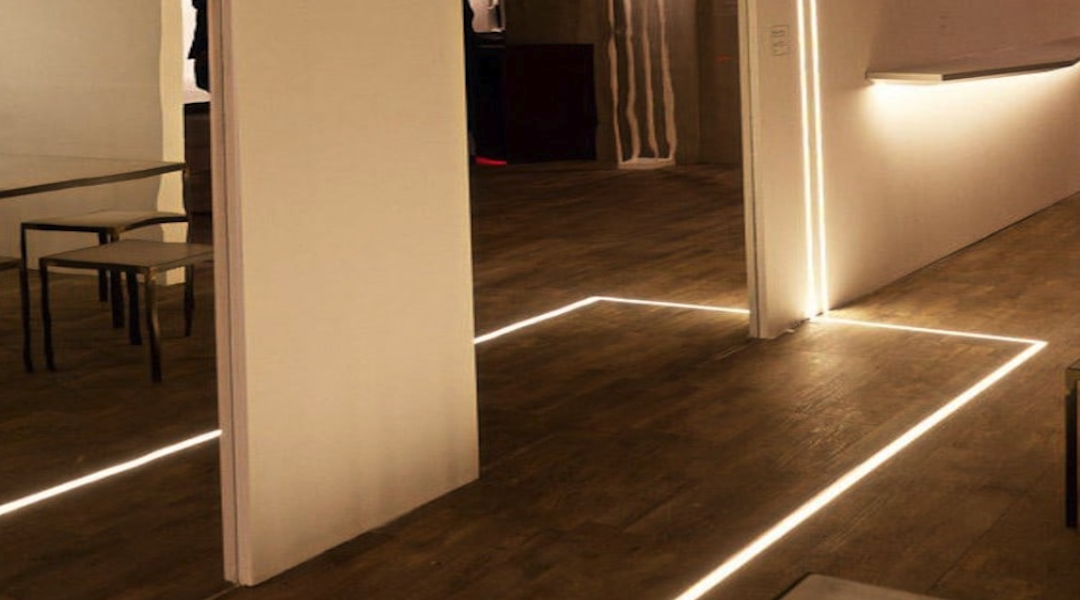

Looking for the best LED strip light brands to brighten up your space with style? You’ve come to the right place. Choosing the right brand is crucial for durability, brightness, color accuracy, and overall satisfaction. While many brands flood the market, a select few consistently deliver high-quality products that stand the test of time and offer impressive features. We’re talking about brands that focus on performance, user experience, and a robust ecosystem, ensuring you get bright, reliable, and aesthetically pleasing lighting for any application, from subtle accent lighting to vibrant task illumination.
What Makes a Great LED Strip Light Brand?
When evaluating LED strip light Artodecor brands, it’s not just about who has the flashiest packaging. There are several key factors that separate the good from the truly great. Understanding these will help you make an informed decision that aligns with your specific needs and budget.
Quality of Components and Construction
At the heart of any excellent LED strip light is the quality of its components. This includes the LEDs themselves, the PCB (printed circuit board) they’re mounted on, and the protective coating or sleeve. High-quality LEDs, often from reputable manufacturers like Epistar or San’an, offer better lumen output per watt, superior color rendering index (CRI), and a longer lifespan. The PCB should be thick enough to dissipate heat effectively, preventing premature failure and maintaining consistent brightness. Poor quality PCBs can lead to voltage drop over longer runs, resulting in dimmer lights at the end of the strip. The adhesive backing also plays a crucial role; a 3M adhesive is generally considered the gold standard for reliable, long-term adhesion.
Brightness and Color Accuracy
Brightness, measured in lumens per foot or meter, is a critical specification. A good brand will clearly state this, allowing you to compare products accurately. However, brightness isn’t everything. Color accuracy, represented by CRI, is equally important, especially for applications where true color representation matters (e.g., under-cabinet lighting for food prep, art studios). A CRI of 90 or above is generally considered excellent. For tunable white or RGBW strips, the consistency of color across the strip and the accuracy of the white light modes are also key indicators of quality.
Durability and Lifespan
Nobody wants to replace their LED strips every year. Reputable brands use components and manufacturing processes that contribute to a long operational lifespan, often rated for 50,000 hours or more. This longevity is influenced by efficient heat dissipation, robust power supplies, and durable protective coatings that resist environmental factors like dust and moisture. Look for IP ratings (Ingress Protection) if you need strips for damp or outdoor locations; IP65 or higher is recommended for such uses.
Ease of Installation and Ecosystem
A user-friendly experience starts with easy installation. Good brands often include clear instructions, all necessary connectors, and sometimes even mounting clips. Beyond the initial setup, consider the brand’s ecosystem. Do they offer compatible controllers, dimmers, power supplies, and smart home integration options? A comprehensive ecosystem makes it much easier to expand your lighting setup and integrate it seamlessly with other smart devices.
Smart Features and Connectivity
In today’s connected world, smart features are often a significant draw. Top brands offer robust smart home integration with platforms like Google Home, Amazon Alexa, Apple HomeKit, or their own proprietary apps. This includes features like scheduling, remote control, voice commands, and scene creation. Reliable Wi-Fi or Bluetooth connectivity is essential for a smooth smart lighting experience, avoiding frustrating dropouts or lag.
Top Contenders for Premium LED Strip Lights
When it comes to high-quality, reliable, and feature-rich LED strip lights, a few brands consistently rise to the top. These manufacturers have built a reputation for innovation, performance, and customer satisfaction.
Govee
Govee has carved out a significant niche in the smart lighting market, particularly for those seeking vibrant, dynamic, and feature-rich LED strip lights. They excel in offering an extensive range of RGBIC (Independent Chip Control) strips, which allow multiple colors to be displayed on a single strip simultaneously, creating stunning gradient effects. Their commitment to smart home integration is strong, with seamless connectivity to their intuitive Govee Home app, as well as Google Assistant and Amazon Alexa.
Govee’s Strengths and Key Offerings
Govee’s strengths lie in their innovative lighting effects and user-friendly ecosystem. Their RGBIC technology is a standout feature, offering unparalleled customization and dynamic scene capabilities. The Govee Home app is a central hub for controlling their devices, providing a vast library of preset scenes, music synchronization modes, and granular control over individual segments of the strip. They offer a variety of strip types, from basic RGB to more advanced RGBIC Pro versions with higher LED densities and advanced diffusion. Govee also manufactures robust outdoor LED strips designed to withstand the elements, extending their smart lighting solutions beyond indoor spaces. Their community features within the app, allowing users to share and download custom lighting effects, further enhance the user experience.
Philips Hue
Philips Hue is arguably the most well-known and established name in the smart lighting world, and their LED light strips are no exception. They are renowned for their premium build quality, exceptional color accuracy (especially in their White and Color Ambiance strips), and a remarkably robust and reliable ecosystem built around their Hue Bridge. While they tend to be on the higher end of the price spectrum, their performance, integration, and longevity often justify the investment for serious smart home enthusiasts.
Why Philips Hue Stands Out
Philips Hue’s primary advantage is its unparalleled ecosystem and reliability. The Hue Bridge uses Zigbee technology, which creates a mesh network, ensuring stable and responsive control even with a large number of lights. This reliability is crucial for smart home setups. Their Lightstrips Plus offer incredibly accurate whites, tunable from warm to cool, and a vast spectrum of vibrant colors. They are known for their high CRI, making them suitable for applications where color fidelity is important. Integration with all major smart home platforms (Apple HomeKit, Google Home, Amazon Alexa, Samsung SmartThings) is seamless and highly functional. Philips Hue also offers excellent dimmer switches, motion sensors, and a wide array of other smart lights that all work together flawlessly within the same ecosystem, making it easy to create complex and sophisticated lighting scenes. Their outdoor light strips are particularly well-regarded for their durability and bright, consistent illumination in challenging environments.
Nanoleaf
While Nanoleaf is perhaps best known for its modular light panels, their LED strip lights, particularly the Essentials series, bring the same commitment to quality and smart home integration to a more traditional form factor. Nanoleaf is a strong contender for those prioritizing Apple HomeKit integration and Thread technology, offering a highly responsive and future-proof smart lighting experience.
Nanoleaf’s Unique Offerings
Nanoleaf Essentials LED strips are notable for their native support for Apple HomeKit via Thread. This means if you have a HomePod Mini or Apple TV 4K (2nd gen or later), the strips connect directly to your HomeKit ecosystem using Thread, which provides faster response times and greater reliability than traditional Wi-Fi or Bluetooth connections, especially in larger smart home networks. They also offer excellent color accuracy and brightness, with a high CRI and a wide tunable white range. The Nanoleaf app provides a good degree of customization, including dynamic scenes and Circadian Lighting features that automatically adjust color temperature throughout the day to match natural light cycles. While their ecosystem might not be as broad as Philips Hue’s in terms of accessory types, their focus on core lighting performance and advanced connectivity technology makes them a strong choice, particularly for Apple users.
Yeelight
Yeelight, a Xiaomi ecosystem company, offers a compelling balance of features, performance, and affordability. They’ve become a popular choice for users looking for smart LED strip lights that deliver solid performance without breaking the bank. Yeelight strips integrate well with popular smart home platforms and offer a good range of colors and white light options.
Why Yeelight is a Smart Choice
Yeelight’s strength lies in its excellent value proposition. Their LED strips provide good brightness and a decent range of colors, often at a more accessible price point than some premium brands. They typically connect via Wi-Fi, allowing for direct control through the Yeelight app, Google Assistant, and Amazon Alexa without needing a separate hub. Many of their strips also support Razer Chroma integration, making them appealing to gamers who want to synchronize their lighting with their gaming setup. While the color accuracy might not always match Philips Hue, and the app experience might be slightly less polished than Govee’s, Yeelight consistently delivers reliable performance and a robust set of smart features for its price category, making it an excellent entry point into smart LED strip lighting.
Considerations for Choosing the Right LED Strip Light
Beyond brand recognition, making the right choice involves a bit of self-reflection about your specific needs. Not every top-tier brand will be the perfect fit for every application or budget.
Application and Location
Where do you plan to install your LED strip lights? This is a fundamental question that will dictate several key specifications.
Indoor vs. Outdoor Use
For indoor applications, you generally have more flexibility. Dry locations (e.g., behind a TV, under cabinets) can use non-waterproof strips (IP20 or IP33). For kitchens or bathrooms where moisture might be present, opt for at least an IP44 or IP65 rating. Outdoor use demands a higher IP rating, typically IP65, IP67, or even IP68, which indicates protection against dust and water jets or even temporary immersion. These strips often have a thicker silicone or epoxy coating and more robust connectors.
Ambient vs. Task Lighting
Are you looking for subtle mood lighting, or do you need functional illumination? For ambient lighting (e.g., cove lighting, backlighting), you might prioritize aesthetic effects, color options, and dimmability. For task lighting (e.g., workbench lighting, under-cabinet lighting for cooking), brightness (lumens per foot) and high CRI are paramount to ensure accurate color representation and sufficient illumination for detailed work.
Color Options and Features
The type of light you want is a major decision point, impacting both aesthetics and functionality.
RGB, RGBW, RGBIC, or Tunable White
- RGB (Red, Green, Blue): These strips can produce millions of colors by mixing red, green, and blue LEDs. They are great for accent lighting and creating vibrant scenes, but their “white” light is often a composite and can look a bit blue or purplish.
- RGBW (Red, Green, Blue, White): These strips add a dedicated white LED (either warm or cool white) alongside the RGB LEDs. This provides a much purer and brighter white light than RGB strips, while still offering full color capabilities.
- RGBIC (Red, Green, Blue, Independent Chip Control): Pioneered by Govee, these strips feature an integrated independent control chip for each segment of LEDs. This allows multiple colors to be displayed on the same strip simultaneously, creating stunning gradient, chase, and multi-color effects that regular RGB or RGBW strips cannot achieve.
- Tunable White: These strips typically have both warm white (e.g., 2700K) and cool white (e.g., 6500K) LEDs, allowing you to adjust the color temperature from a cozy warm glow to a crisp, cool daylight. They are excellent for environments where varying moods or functional lighting needs are important throughout the day.
- Single Color: Simplest and often brightest, these strips emit only one specific color of white light (e.g., 3000K warm white) or a single fixed color. Ideal for applications where consistent, high-brightness illumination of a specific color is required.
Dimmability and Smart Control
Most good quality LED strips are dimmable. For smart strips, dimming is usually controlled via an app or voice assistant. For non-smart strips, you’ll need a compatible dimmer switch and power supply. Consider how you want to control your lights – through an app, voice commands, a physical switch, or integration with a broader smart home system.
Budget and Longevity
Your budget will inevitably play a role, but it’s important to consider long-term value over upfront cost.
Initial Cost vs. Long-Term Value
While cheaper strips might seem appealing, they often compromise on component quality, resulting in dimmer light, poorer color accuracy, and a significantly shorter lifespan. Investing a bit more in a reputable brand usually pays off in the long run through greater durability, consistent performance, and a better user experience. Think of the cost per year of operation rather than just the purchase price.
Power Consumption and Energy Efficiency
LEDs are inherently energy-efficient, but there can still be variations between brands. Look for lumen-per-watt ratings to compare efficiency. High-efficiency strips will consume less electricity over their lifespan, saving you money on utility bills and reducing your environmental footprint. Good brands often specify the power consumption per foot or meter.
Installation Tips and Best Practices
Once you’ve picked your ideal LED strip light, proper installation is key to maximizing its performance and ensuring it looks great. Even the best strip can look messy if not installed thoughtfully.
Surface Preparation
This is often overlooked but incredibly important. For the adhesive to work properly, the surface must be clean, dry, and smooth.
Cleaning and Degreasing
Before sticking your strip, thoroughly clean the surface with isopropyl alcohol (rubbing alcohol). This removes any dust, grease, or residue that could compromise the adhesive. Let the surface dry completely. Avoid household cleaners that might leave a slippery film. For porous surfaces like unfinished wood, you might need to seal it first or use additional mounting clips.
Mounting Techniques
While the adhesive backing is usually strong, sometimes a little extra help or a different approach is beneficial.
Using Adhesive Backing
Peel off a small section of the adhesive backing at a time, pressing the strip firmly onto the surface as you go. Avoid peeling the entire backing off at once, as this can make it difficult to position correctly and lead to premature adhesion failure. Apply consistent pressure along the entire length of the strip.
Additional Support with Clips or Channels
For longer runs, heavy strips, or surfaces where the adhesive might struggle, consider using mounting clips (often included or available separately). These provide mechanical support. For a more professional and diffused look, especially for task lighting or visible installations, LED aluminum channels with diffusers are an excellent option. They protect the strip, help dissipate heat, and create a more uniform, spot-free light.
Power and Connectivity
Ensuring proper power delivery and connectivity is crucial for consistent performance.
Correct Power Supply (Driver)
Always use the correct voltage power supply (usually 12V or 24V DC) for your LED strips. The wattage of the power supply must also be sufficient to power the entire length of your strip. Calculate the total wattage required by your strip (watts per foot/meter multiplied by the total length) and choose a power supply with at least 20% higher wattage to allow for headroom and prevent overheating. Overloading a power supply can lead to dimming, flickering, or even failure.
Smart Home Integration and Wi-Fi Signal
For smart strips, ensure your Wi-Fi signal is strong and stable in the installation area. If you’re using a hub-based system like Philips Hue (Zigbee) or Nanoleaf (Thread), make sure the hub or Thread border router is within range for optimal connectivity and responsiveness. Test the connection before fully securing the strips.
Maintaining Your LED Strip Lights
LED strips are relatively low-maintenance, but a few simple practices can help ensure their longevity and performance.
Cleaning and Care
Over time, dust can accumulate on the surface of exposed LED strips, slightly reducing their light output.
Gentle Dusting
For indoor, non-waterproof strips, a gentle dusting with a soft, dry cloth or a feather duster is usually sufficient. For strips with a silicone or epoxy coating, you can carefully wipe them down with a slightly damp cloth if needed, but ensure they are completely dry before operating. Avoid harsh chemicals or abrasive cleaners, as these can damage the protective coating or the LEDs themselves.
Troubleshooting Common Issues
Even with the best brands, minor issues can sometimes arise. Knowing how to troubleshoot can save you time and frustration.
Dimming or Flickering
If your strip is dimming or flickering, first check the power supply connection. Ensure it’s firmly plugged in and providing the correct voltage. For longer runs, voltage drop can cause dimming towards the end of the strip; consider a power injector or a 24V strip for longer distances. If it’s a smart strip, check your Wi-Fi connection or hub status. An overloaded power supply can also cause these issues.
Inconsistent Colors
If different sections of an RGB or RGBW strip are showing different colors, it could indicate a loose connection, a damaged LED segment, or an issue with the controller. For RGBIC strips, if a section isn’t displaying correctly, it might be a software glitch (try restarting the app and strip) or a hardware fault with a specific control chip.
By understanding what makes a great brand, considering your specific needs, and following best practices for installation and maintenance, you can enjoy bright, stylish, and reliable LED strip lighting for years to come. The brands highlighted here offer a solid foundation, providing quality, features, and support that stand out in a crowded market.