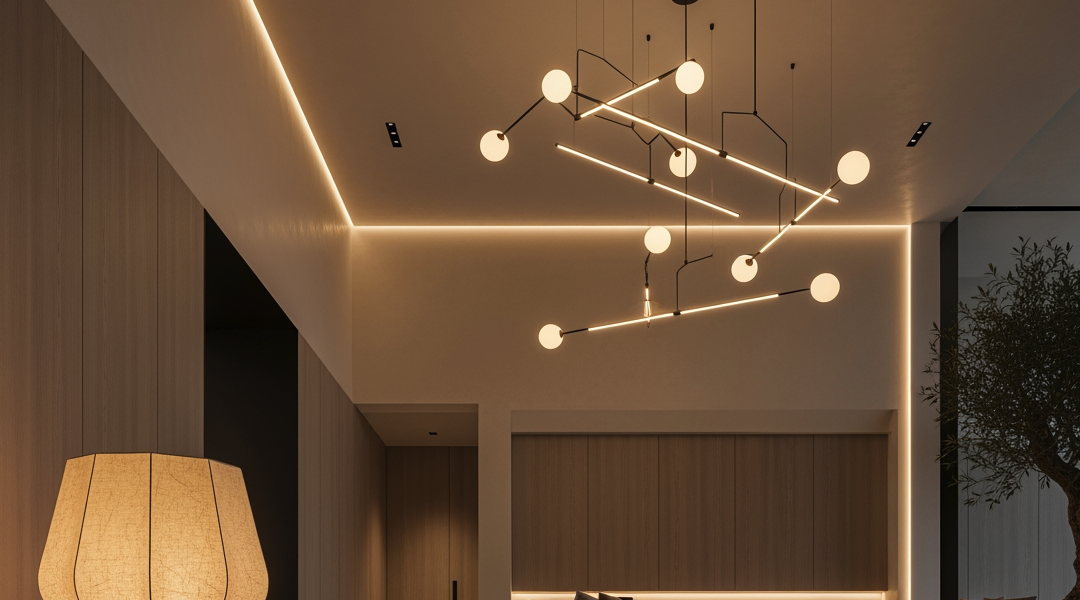
The Rise of Organic Shapes in Lighting Design: Embracing Softness Over Sharpness

Lately, you might have noticed a distinct shift in the lighting fixtures popping up in homes and stylish spaces. Gone are the days when sharp, geometric lines dominated. Instead, a wave of softer, more organic shapes is taking over. So, why exactly are we seeing this embrace of curves and natural forms in lighting design? In a nutshell, it’s about creating a more welcoming, comfortable, and human-centric environment that reflects our growing appreciation for the natural world and a desire for tactile, calming spaces.
There’s something fundamentally pleasing about curves. Our brains are wired to find them soothing. Think about clouds, rolling hills, the human body – these are all shapes that evoke a sense of calm and familiarity. Sharp angles, on the other hand, can sometimes feel aggressive or jarring. In lighting Artboxhome, this translates directly to how a space feels.
A Counterpoint to Modern Minimalism
While minimalist design remains popular, it can sometimes feel a little stark. Organic shapes in lighting act as a beautiful counterpoint, introducing warmth and a touch of the unexpected without sacrificing sophistication. They soften the edges of a room and add a layer of visual interest that can make even the most modern interiors feel more lived-in and inviting.
The Biophilic Connection: Bringing the Outdoors In
Our innate connection to nature, known as biophilia, is a powerful driving force behind this trend. We crave elements that remind us of the natural world. Lighting fixtures shaped like pebbles, leaves, or flowing water bring a subtle piece of the outdoors into our homes, fostering a sense of well-being and tranquility that is increasingly sought after in our busy lives.
Beyond the Bulb: Exploring the Materials and Textures
The rise of organic shapes isn’t just about form; it’s also about the materials and textures that bring these shapes to life. Designers are moving beyond simple metal and glass to embrace materials that feel more natural and inviting to the touch.
The Tactile Experience
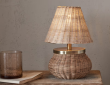
When you think of organic shapes, you often think of materials that have a pleasant feel. Think about handcrafted ceramics, woven natural fibers like rattan or jute, and even soft, matte finishes on metal or plaster. These textures add a layer of sensory richness that complements the visual softness of the forms. It’s about creating fixtures that you not only want to look at but also to touch.
Sustainable and Natural Materials
There’s a growing awareness of the environmental impact of our choices, and this is reflected in the materials used for organic lighting. Recycled glass, sustainable woods, and plant-based composites are becoming increasingly common. This not only aligns with eco-conscious values but also contributes to the authentic, natural feel of the lighting.
The Play of Light and Shadow
The way light interacts with organic forms is also key. Softly diffused light is often a characteristic of these designs, creating a gentle glow rather than harsh shadows. This is achieved through frosted glass, opaque shades, or the inherent diffusion properties of certain materials. The result is a warm, ambient light that enhances the overall mood of a space.
Where We’re Seeing These Shapes Emerge
This trend isn’t confined to one corner of the design world. You’ll find organic shapes in a variety of lighting types, from statement chandeliers to subtle accent lamps.
Statement Chandeliers and Pendants
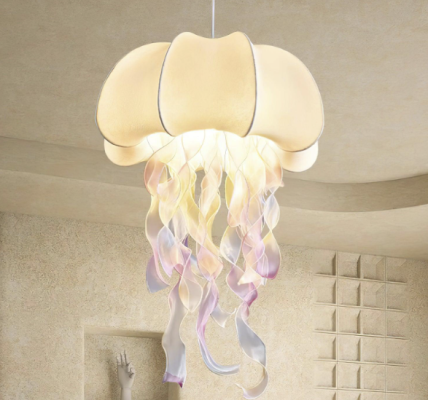
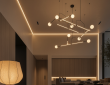
Large, sculptural pendant lights and chandeliers are often the focal points of a room, and designers are using organic forms to make them truly memorable. Imagine a cluster of delicate glass orbs that mimic dewdrops, or a flowing metal sculpture that casts intricate shadows. These pieces bring an artistic quality to overhead lighting.
Table and Floor Lamps for Ambient Glow
For more localized lighting, table and floor lamps are embracing organic shapes to create cozy nooks and reading corners. Think of lamps with bases shaped like smooth river stones, or shades that resemble unfurling leaves. They provide a soft, inviting light that’s perfect for unwinding.
Wall Sconces with a Gentle Touch
Even wall sconces are shedding their angular past. You’ll see them with curved backplates, shades that mimic soft petals, or subtle, undulating forms that add a touch of understated elegance to a hallway or bedside.
The Psychological Impact: Creating Calming Environments
The choice of lighting has a significant psychological impact on how we feel in a space. Organic shapes are particularly adept at fostering a sense of calm and well-being.
Reducing Stress and Anxiety
The visual stimulation of sharp angles can, for some, contribute to a feeling of unease or stress. The gentle, flowing lines of organic forms, conversely, are more relaxing. They create a visual “breathing room” that can help to reduce anxiety and promote a more peaceful state of mind.
Enhancing Relaxation and Mindfulness
In an era where mindfulness and self-care are paramount, lighting that supports these practices is highly valued. Organic shapes in lighting contribute to an atmosphere conducive to relaxation, meditation, or simply enjoying a quiet moment. The soft, diffused light they often provide further enhances this sense of calm.
Promoting a Sense of Comfort and Security
There’s an inherent sense of comfort associated with natural forms. They feel familiar and safe, which can be incredibly grounding. This is particularly important in our homes, which we want to be sanctuaries from the outside world. Organic lighting helps to create that sense of secure, cozy embrace.
The Future of Organic Lighting: What’s Next?
The momentum behind organic shapes in lighting design is strong, and it’s likely to continue evolving. We can expect to see further innovation in materials, smart technology integration, and even more adventurous forms.
Smart and Adaptive Lighting
As smart home technology becomes more integrated, organic lighting will likely incorporate more adaptive features. Imagine a lamp that subtly shifts its color temperature or brightness throughout the day to mimic natural light patterns, enhancing our circadian rhythms. The organic forms will provide a natural aesthetic to these intelligent systems.
Sculptural and Artistic Integration
Lighting will increasingly be seen as a form of art within the home. Expect to see even more sculptural pieces that blur the lines between illumination and decorative object, with organic shapes providing the perfect canvas for artistic expression.
Personalized and Bespoke Designs
The desire for unique and personalized spaces will drive the demand for bespoke organic lighting. This could involve custom-designed pieces that perfectly complement a specific interior, or modular systems that allow users to create their own organic arrangements.
Ultimately, the rise of organic shapes in lighting design is more than just a fleeting trend. It’s a reflection of our deeper needs for comfort, connection, and a harmonious living environment. By embracing softness over sharpness, we’re creating spaces that feel more human, more inviting, and more deeply resonant with who we are.