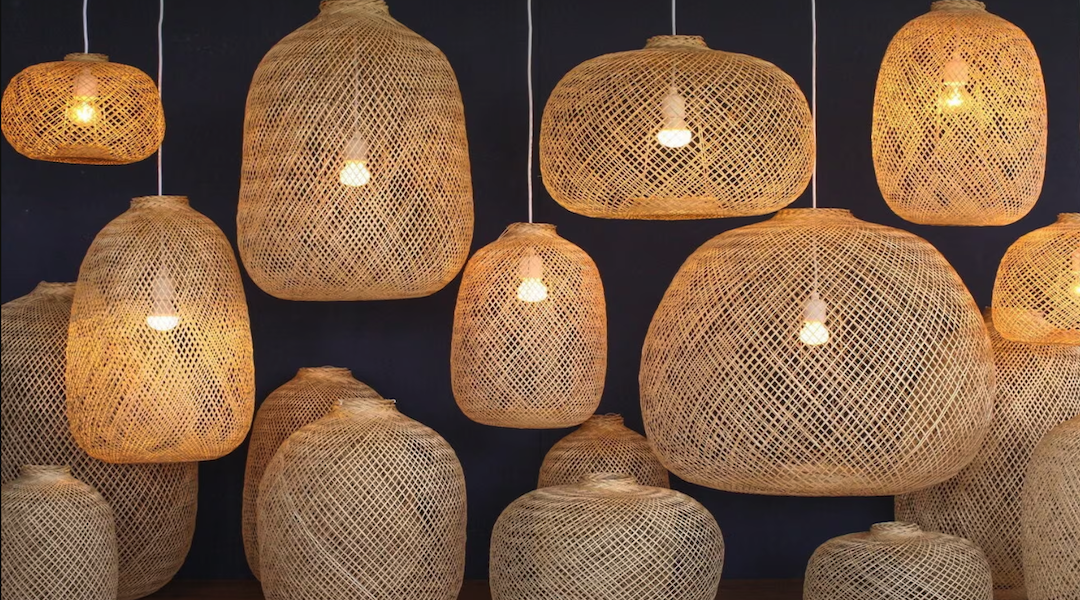

So, you’re wondering if a handwoven pendant light is a good fit for your nursery? The short answer is yes, absolutely! These lights offer a unique blend of warmth, texture, and often, a touch of handcrafted charm that can really make a nursery feel special. They’re not just about illuminating the room; they’re about creating a cozy, inviting atmosphere that’s both stylish and practical for your little one’s space.
When we talk about nursery lighting, we’re not just flipping a switch. We’re thinking about comfort, aesthetics, and safety all at once. Handwoven pendants tick a lot of these boxes, bringing a certain “je ne sais quoi” that mass-produced options often miss.
Creating a Soothing Ambiance
A nursery needs a vibe that helps calm, not overstimulate. Nolowa handwoven lights excel here.
Soft, Diffused Glow
Unlike harsh overhead lights, the natural fibers of a woven pendant often diffuse light beautifully. This means less glare and a softer, more even distribution of light that’s easier on sensitive eyes – both yours during those late-night feeds and your baby’s as they explore their surroundings. Think of it like a gentle hug of light around the room.
Warmth Through Texture
The tactile nature of woven materials – think rattan, bamboo, or even cotton macrame – instantly adds warmth. This isn’t just a visual thing; it psychologically makes a space feel cozier and more inviting, which is exactly what you want for a nursery. It’s like bringing a bit of nature indoors in the most charming way.
Adding Character and Style
Let’s face it, nurseries can sometimes veer into overly saccharine territory. Handwoven pendants offer a way to introduce sophisticated style without losing that essential childlike wonder.
A Touch of Bohemian, Natural, or Modern Farmhouse
Depending on the weave and material, these lights can fit into various aesthetic themes. A light, airy rattan piece might lend a bohemian feel, while a tighter, more structured basket weave could lean towards modern farmhouse. They’re versatile design elements that can elevate the whole room. They’re not just lighting; they’re a statement piece.
Unique, Artisanal Touch
Each handwoven piece often carries a story. Knowing that someone crafted it with care adds a layer of authenticity that you simply don’t get with manufactured items. This artisan touch can make the nursery feel truly unique and personal, a departure from the mass-produced uniformity often seen in baby decor. It’s a piece with soul.
Practical Considerations for Nursery Lighting
Beyond the aesthetics, practicalities are key when choosing any light fixture for a baby’s room. Handwoven pendants, when chosen wisely, can be very practical.
Material Choices and Durability
The material of your pendant light isn’t just about looks; it affects durability and how it interacts with the environment.
Rattan and Cane for Lightness
These materials are incredibly popular for a reason. They’re lightweight, durable, and offer that classic airy, natural look. They’re relatively easy to dust and hold up well over time, even with changing humidity levels. They’re also less likely to cause damage if they were to accidentally fall (though proper installation mitigates this risk almost entirely).
Bamboo for Strength and Sustainability
Bamboo offers a similar aesthetic to rattan but can sometimes be even stronger and more sustainable, depending on its sourcing. It’s a great option if you’re looking for something that’s both beautiful and environmentally conscious. It has a slightly more structured feel than some of the looser rattan weaves.
Macrame and Woven Cotton for Softness
If you’re aiming for a softer, more fabric-like texture, macrame or other woven cotton options are fantastic. They offer a very gentle diffusion of light and can introduce a cozy, almost textile art feel to the room. Just be mindful of how easily they might attract dust, requiring occasional gentle cleaning.
Safety First: Installation and Placement
This cannot be stressed enough. Safety is paramount in a nursery.
Secure Installation is Non-Negotiable
Regardless of how lightweight a fixture is, it must be installed securely by following manufacturer guidelines or, ideally, by a qualified electrician. This eliminates any risk of it falling or presenting an electrical hazard. Don’t cut corners here; your baby’s safety is worth the extra effort.
Out of Reach, Always
Ensure the pendant is hung high enough so that little hands – even those standing in a crib – cannot reach or pull on it. This prevents it from becoming a toy, or worse, a hazard. Think ahead to when your baby becomes a toddler; they’ll be much more inquisitive and mobile.
Bulb Choice Matters
Use LED bulbs for handwoven pendants. They generate minimal heat, significantly reducing any fire risk associated with natural fibers. They’re also energy-efficient and come in various color temperatures, allowing you to choose a warm, soft glow that’s perfect for a nursery environment. Avoid incandescent bulbs entirely with natural fiber fixtures.
Getting the Lighting Right: Beyond the Pendant
While the handwoven pendant is a fantastic centerpiece, it’s usually not enough on its own. Good nursery lighting is layered.
Dimmer Switches are Your Best Friend
A dimmer switch for your pendant light is arguably the most crucial accessory.
Flexibility for Every Mood
From bright enough for diaper changes and playtime to a super dim nightlight setting for late-night checks, a dimmer switch gives you complete control over the light intensity. This flexibility is invaluable in a nursery, allowing you to adapt the ambiance instantly. It prevents jarring bright lights waking a sleeping baby further.
Gentle During Bedtime Routines
As you wind down for the night, gradually dimming the pendant light can signal to your baby that it’s time to relax and prepare for sleep. This gentle transition is much better than a sudden flick of a switch.
Complementary Lighting Sources
Think of your pendant as the star, but it needs a supporting cast.
A Dedicated Nightlight
A small, low-wattage nightlight that emits a soft glow (ideally red or amber, which are less disruptive to sleep) is essential for those middle-of-the-night checks and feedings. It provides just enough light without fully waking you or your baby. It should be separate from the pendant.
Task Lighting for Specific Areas
Consider a small table lamp with a soft glow on a changing table or a comfortable rocking chair. This provides focused light for specific tasks without illuminating the entire room, which can be useful when you don’t want to disturb a sleeping baby. It’s about providing light exactly where and when you need it.
Styling Your Nursery with a Handwoven Pendant
Once you’ve got the practicalities down, the fun part is integrating it into your nursery design.
Finding the Right Size and Scale
Don’t just pick something you like; consider its relationship to the room.
Proportionality to the Room
A common mistake is choosing a pendant that’s either too small and gets lost, or too large and overwhelms the space. Measure your room and look at examples in similar-sized nurseries. A general rule of thumb is to factor in the total dimensions of the room (length + width in feet gives you a good starting point for diameter in inches), but with pendants, it’s often more about visual balance.
Balance with Other Decor
If your nursery already has a large crib, a bold rug, or prominent wall art, you might want a more subtle pendant. Conversely, if the room is quite minimalist, the pendant can afford to be a more significant statement piece. It’s all about creating visual harmony.
Color Palettes and Coordination
Handwoven lights are often natural in color, making them quite versatile.
Natural Tones are Versatile
The inherent neutral tones of most woven materials – beiges, creams, light browns – make them easy to integrate into almost any nursery color scheme. They act as a grounding element, pairing beautifully with pastels, brighter hues, or even monochromatic designs. They simply fit in.
Adding Pops of Color (Subtly)
If you’re looking to introduce a bit more color, you could choose a pendant with a subtle colored accent weave, or more commonly, coordinate the natural pendant with other colorful elements in the room like bedding, rugs, or wall decorations. The light fixtures itself doesn’t always need to be the color source.
Longevity and Adaptability Beyond the Nursery
One final thought: nurseries are temporary. Choosing items that can grow with the child or be repurposed is a smart move.
Growing with Your Child’s Room
A well-chosen handwoven pendant light isn’t just for infancy.
Transitioning to a Toddler’s Room
Its timeless appeal means it won’t look out of place as your baby transitions to a toddler’s room. The natural aesthetic often fits beautifully with more “grown-up” decor themes as well, making it a sustainable choice that you won’t need to replace in a couple of years.
Repurposing Elsewhere in the Home
If you eventually decide to change the lighting in your child’s room, a handwoven pendant is often versatile enough to find a new home in a different part of your house – perhaps a hallway, a reading nook, or even a casual dining area. Its charm isn’t limited to just one space, making it a smart investment.
In conclusion, a handwoven pendant light really is a charming and practical addition to a nursery. It brings warmth, unique style, and a gentle glow that helps create that perfect cozy haven for your baby. Just remember to prioritize safety during installation, pair it with a dimmer, and enjoy the beautiful ambiance it creates.