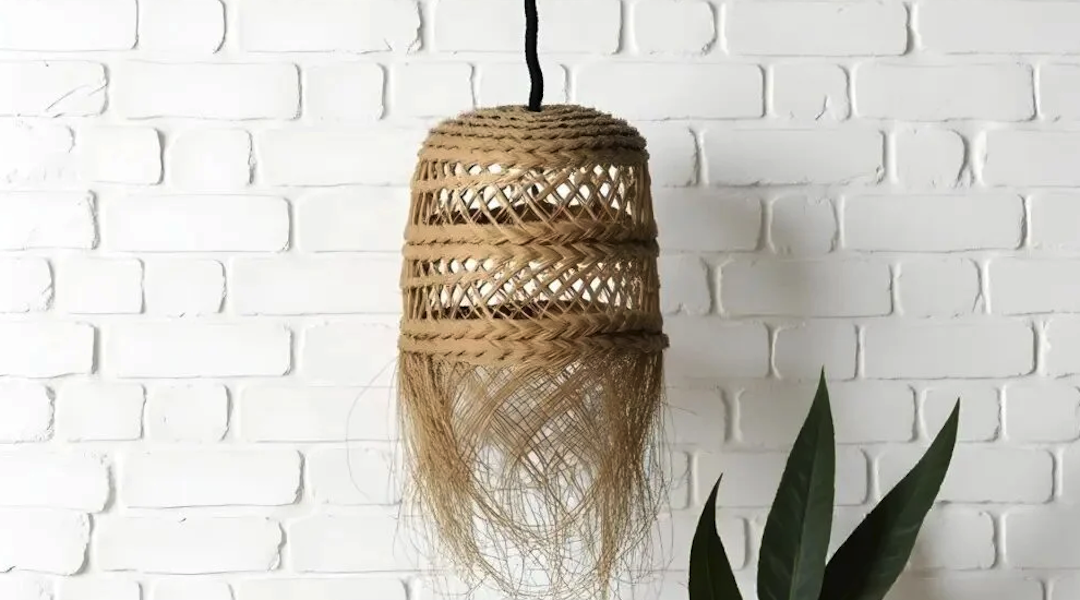

Craving a touch of nature indoors? Hand-woven straw pendant lamps are a fantastic way to do it. They offer a unique, organic aesthetic that can instantly warm up any space, and they’re surprisingly versatile. Forget those mass-produced, sterile light fixtures; these lamps bring a bit of the outdoors in, creating a calming and inviting atmosphere.
There’s something inherently comforting about natural materials. In a world saturated with synthetics and manufactured goods, a hand-woven straw lamp feels like a breath of fresh air. It’s more than just a light source; it’s a piece of art, a story told through the skilled hands of an artisan.
The Organic Aesthetic
Straw, by its very nature, is imperfect. Each strand, each weave, contributes to a unique texture and pattern. This organic quality is what makes these lamps Vanhouzen so appealing. They don’t strive for sterile perfection; instead, they embrace the beauty of irregularity, adding character and warmth to your home. Think of the subtle variations in color, the slight irregularities in the weave – these are not flaws, but rather the hallmarks of something genuinely handcrafted. They ground your space, connecting it to the natural world.
Sustainability and Eco-Friendliness
In an era where environmental consciousness is paramount, choosing natural materials like straw is a responsible decision. Straw is a renewable resource, often a byproduct of agricultural processes that would otherwise go to waste. When you opt for a hand-woven straw lamp, you’re not just decorating your home; you’re making a conscious choice to support sustainable practices and reduce your carbon footprint. This contrasts sharply with plastic or metal fixtures, which often require energy-intensive manufacturing processes and non-renewable resources.
Cultural Significance and Craftsmanship
Across many cultures, weaving with natural fibers like straw is an ancient craft, passed down through generations. When you bring a hand-woven straw lamp into your home, you’re not just acquiring an object; you’re also appreciating a rich cultural heritage and the dedication of skilled artisans. Each lamp tells a story of tradition, patience, and intricate skill. It’s a testament to human ingenuity and our enduring connection to the materials around us.
Choosing Your Straw Pendant: Navigating the Options
With a growing interest in natural home decor, you’ll find a surprising variety of straw pendant lamps available. They come in different shapes, sizes, and weaving styles, each offering a distinct aesthetic. Taking a little time to consider your space and your personal style will help you make the best choice.
Shapes and Silhouettes
The shape of your pendant lamp can dramatically influence the overall feel of a room. Do you prefer something grand and commanding, or subtle and understated?
- Dome and Bell Shapes: These are classic and versatile. A dome-shaped pendant can create a soft, diffused light, perfect for a cozy dining area or a relaxed living room. Bell shapes often offer a more focused downward light, making them suitable for task lighting over a kitchen island or a reading nook. They tend to be very forgiving in terms of placement and blend well with various decor styles, from bohemian to minimalist.
- Orb and Globe Designs: For a more contemporary or sculptural statement, consider orb or globe-shaped straw pendants. These often feature an open weave, allowing the light to peek through in interesting patterns. They’re excellent for adding a touch of modern organic flair and can become an instant focal point. They work particularly well in spaces with higher ceilings or open-plan layouts.
- Geometric and Abstract Forms: Some artisans push the boundaries with more complex geometric shapes or abstract, free-form designs. These pieces are truly statement makers and can infuse a lot of personality into a space. If you’re looking to create a conversation starter or add an artistic element, these are fantastic options. They might require a bit more deliberate placement to ensure they don’t overpower the room.
- Tiered and Layered Lamps: For an even more dramatic effect, some designs feature multiple layers or tiers of straw, creating a voluminous and textural presence. These are ideal for entryways, large living rooms, or spaces where you want a visually compelling centerpiece. The layering adds depth and a sense of luxury without sacrificing the natural feel.
Weaving Patterns and Textures
The way the straw is woven isn’t just an aesthetic choice; it also impacts how light interacts with the lamp and the resulting ambiance.
- Tight Weaves: A tightly woven lamp will offer a more subdued, diffused light. The straw itself acts as a soft filter, creating a warm glow that’s perfect for intimate settings. This kind of weave also tends to offer more visual solidity and a cleaner silhouette. They are great for creating a cozy, enveloped feeling.
- Open and Loose Weaves: On the other hand, an open or loose weave allows more light to escape, often creating interesting shadow patterns on your walls and ceiling. This can add a dynamic and playful element to a room, especially when the light source is a vintage-style Edison bulb. These weaves tend to feel lighter and airier, suitable for brighter, more expansive spaces.
- Mixed Weaves and Patterns: Some lamps feature a combination of tight and open weaves, or incorporate different weaving patterns within the same piece. This variety adds visual interest and complexity, making the lamp feel even more unique and handcrafted. Look for details like braided elements, spiraling patterns, or contrasting sections that highlight the artisan’s skill.
Natural Tones vs. Dyed Straw
Most straw lamps embrace their natural, earthy tones, but you can also find options with subtle dyeing.
- Earthy Neutrals: The beauty of natural straw lies in its inherent color variations – from pale cream to golden yellow and deeper beiges. These natural tones are incredibly versatile, blending seamlessly with almost any color palette. They provide a grounding element and a sense of calm. They can complement both warm and cool color schemes without clashing.
- Subtly Dyed Options: While less common, some artisans might lightly dye straw to achieve specific hues, like muted greens, soft blues, or warm terracotta. If you’re looking to introduce a very specific color accent in a gentle way, these can be a unique option. However, be mindful that excessive dyeing can sometimes detract from the natural feel of the material. Always opt for naturally derived or low-impact dyes if possible.
Where to Hang Your Straw Statement
The beauty of hand-woven straw pendant lamps is their adaptability. They’re not confined to one specific style or room; they can genuinely elevate almost any space in your home. It’s all about choosing the right size and style to complement the existing decor and the function of the room.
Over the Dining Table
This is perhaps the most classic placement for a pendant lamp, and straw versions excel here. A single, generously sized straw pendant can become the focal point of your dining area, creating an inviting and warm ambiance for meals. If you have a longer dining table, consider hanging two or even three smaller straw pendants in a row to ensure even lighting and a more dramatic effect. The diffused light from the straw is perfect for creating an intimate dining experience, making food and faces look more appealing.
Kitchen Island Illumination
Kitchen islands are often the heart of the home, and suitable lighting is crucial. Straw pendants can add a lovely organic touch, softening the hard lines often found in kitchens. Over a kitchen island, you might opt for two or three smaller pendants spaced evenly, or a single larger one if your island is more compact. They provide excellent task lighting for food prep while also contributing to the overall aesthetic. The texture of the straw can beautifully contrast with sleek countertops or stainless steel appliances.
Living Room Ambiance
In the living room, a straw pendant lamp can serve multiple purposes. Hung centrally, it can provide general ambient lighting, creating a relaxed and cozy atmosphere. Alternatively, you could use a smaller straw pendant to define a specific zone, like a reading nook or a conversation area. The natural material instantly brings a sense of comfort and understated elegance, making the living room feel more personal and less formal. Consider pairing it with other natural elements like wooden furniture, woven rugs, and plants for a cohesive look.
Bedroom Serenity
For bedrooms, straw pendants can enhance a sense of calm and tranquility. Instead of traditional bedside lamps, consider hanging two smaller straw pendants on either side of the bed. This frees up space on your nightstands and adds a sophisticated, resort-like feel. The soft, filtered light they emit is perfect for unwinding before sleep. In a larger bedroom, a single, grand straw pendant can be positioned in the center of the room to create a zen-like retreat.
Entryway Welcome
Make a strong first impression with a hand-woven straw pendant in your entryway. It’s a warm and inviting welcome for guests and a pleasant sight for you each time you come home. The height you hang it will depend on your ceiling height, but generally, you want it high enough so that taller individuals don’t bump their heads, but low enough to make a visual impact. An entryway straw pendant can set the tone for the entire home, hinting at the natural and thoughtful decor within.
Maintenance and Care: Keeping Your Lamp Looking Great
Straw lamps are relatively low maintenance, but a little care goes a long way in ensuring they stay beautiful for years to come. Thankfully, you won’t need any special cleaning solutions or complicated routines.
Regular Dusting
The primary concern with straw anything is dust accumulation. Because of their woven texture, straw pendants can collect dust over time.
- Feather Duster or Microfiber Cloth: For light dusting, a feather duster or a soft, dry microfiber cloth works perfectly. Gently sweep over the surface of the lamp to remove any loose dust particles. Do this regularly, perhaps once a week or every other week, as part of your normal cleaning routine.
- Vacuum Cleaner with Brush Attachment: For more persistent dust or if your lamp has a very intricate weave, a vacuum cleaner with a soft brush attachment is your best friend. Set the vacuum to a low suction power and gently go over the surface. Be careful not to pull or snag any of the straw strands. This method is particularly effective for getting into all the nooks and crannies of a detailed weave.
Avoiding Moisture and Direct Sunlight
Like most natural materials, straw doesn’t fare well with excessive moisture or prolonged direct sunlight.
- Keep it Dry: Water can cause straw to become brittle, discolored, or even moldy. Avoid hanging your lamp in areas with high humidity unless treated specifically for such environments, like a bathroom without proper ventilation. If it accidentally gets damp, try to dry it out quickly and thoroughly in a well-ventilated area, away from direct heat.
- Shade from Harsh Sunlight: Prolonged exposure to direct sunlight can cause the straw to fade, become brittle, and lose its natural luster over time. If possible, position your lamp in a spot where it’s not constantly bombarded by intense sunlight, or use window coverings to filter the light during peak hours. This will help maintain its original color and structural integrity.
Handling with Care
While straw is durable, it’s still a natural fiber that can be damaged if mishandled.
- Gentle Handling: When moving or adjusting the lamp, always handle it gently. Avoid tugging or pulling on individual strands, as this can loosen the weave. If you need to make adjustments, support the main structure of the lamp.
- Check for Loose Strands: Occasionally, you might notice a very small, loose strand. Often, you can gently tuck it back into the weave. If it’s a genuine break, it’s usually minor and doesn’t affect the lamp’s structural integrity or aesthetic. Avoid attempting complex repairs yourself unless you have experience with weaving. Minor imperfections are part of the charm of a handmade item.
DIY Potential and Personalization
Feeling crafty? While many exquisite hand-woven straw pendants are available to purchase, there’s also a significant opportunity for DIY enthusiasts or those looking to add a truly personal touch.
Sourcing Materials
The foundation of any straw lamp is, of course, the straw itself. You have several options for sourcing.
- Local Craft Stores: Many larger craft stores or hobby shops will carry various types of natural fibers suitable for weaving, including raffia, cane, or even dried grasses. These are often pre-prepared and ready for use.
- Online Suppliers: The internet offers a wealth of suppliers specializing in natural weaving materials. You might find more exotic or specific types of straw, reeds, or bamboo strips from these specialized vendors. This can be great if you have a particular vision in mind.
- Harvesting (with care): For the truly adventurous, some types of straw or long grasses can be responsibly harvested from your local environment. Be sure to identify the plants correctly and ensure you have permission to gather materials if you’re on private land. You’ll also need to properly dry and prepare the materials before weaving to prevent mold and ensure durability.
Basic Weaving Techniques and Inspiration
Even if you’re new to weaving, you can start with simpler techniques to create a beautiful, rustic pendant.
- Coiling: This is one of the most straightforward and forgiving techniques. You essentially coil bundles of straw around a central core, stitching them together with a thinner piece of straw or natural twine as you go. This creates a solid, sculptural form. You can vary the tightness of the coil and the thickness of the bundles to create different textures and shapes.
- Plaiting/Braiding: If you can braid hair, you can plait straw. Braided strands can then be coiled or sewn together to form a lamp. This method often results in a more textured and open look.
- Basket Weave Variations: More complex basket weaving techniques can be adapted for lamps. This involves a warp (stationary vertical strands) and a weft (horizontal strands woven through). There are many tutorials available online and in craft books that can guide you through these processes.
- Inspiration from Traditional Crafts: Look to traditional basketry, hats, and mat weaving from various cultures for inspiration. These ancient crafts offer a treasure trove of patterns and techniques that can be applied to lamp making.
Adding Personal Touches
Making your own lamp opens up endless possibilities for personalization.
- Color Accents: Instead of fully dyeing the straw, consider incorporating small sections of naturally dyed raffia or yarn into your weave for subtle pops of color. Earthy greens, blues, or terracotta can beautifully complement the natural straw.
- Found Objects: Weave in small, lightweight found objects like dried seed pods, shells collected from a beach trip, or even small, intricately shaped driftwood pieces. Ensure they are clean, dry, and securely woven into the structure.
- Varying Textures: Combine different types of straw or natural fibers within the same lamp to create diverse textures. For example, you could have a base of thick, coiling straw and then incorporate a looser, more delicate weave for the top section.
- Custom Shapes: When making your own, you’re not limited to standard lamp shapes. Experiment with asymmetrical forms, tiered designs, or even abstract sculptural pieces that uniquely suit your space and aesthetic. The freedom of DIY allows you to truly express your creativity and craft a piece that is one-of-a-kind.