
Thinking about a desk lamp? You’ve probably seen swivel arm versions and wondered if they’re worth it. The quick answer is yes, they can be a really practical upgrade for your workspace, offering focused light and flexibility that static lamps just can’t match. Let’s dive into why.
The most significant benefit of a swivel arm desk lamp is its ability to precisely direct light where you need it. This might sound simple, but it has a real impact on your comfort and productivity.
Minimizing Glare and Eye Strain
Think about a typical desk setup. You have your monitor, your keyboard, and potentially papers or books. Without adjustable light, you often end up with shadows on your work or, worse, glare reflecting off your screen. A swivel arm lamp lets you position the light source away from directly in front of you, pushing the light down onto your task, not into your eyes.
- Shadow Control: By angling the arm, you can cast the light to the side of your dominant hand, preventing your own body from creating shadows on your workspace. This is especially helpful for tasks requiring fine detail.
- Screen Comfort: Position the light so it illuminates your desk surface below your monitor’s line of sight. This reduces the stark contrast between a bright screen and a dim surrounding, which is a major culprit for eye fatigue.
Task-Specific Lighting Needs
Different tasks demand different kinds of light. A swivel arm lamp adapts to these varied needs.
- Reading and Writing: When you’re jotting down notes or poring over a document, you want a bright, focused pool of light directly on the page. Pivot and extend the arm to achieve this.
- Detail Work: For hobbyists, crafting, or any task involving small components, the ability to get the light extremely close and focused is invaluable. Some lamps even have magnifying lenses integrated into the head, further enhancing detail visibility.
- General Ambient Light Adjustment: While often used for focused tasks, the arm can also be adjusted to provide a softer, more ambient light for times when you don’t need intense direct illumination but still want to brighten your immediate area.
Beyond the Light: Versatility and Space Efficiency
A swivel arm isn’t just about the light itself; it’s about how the lamp integrates into your workspace and adapts to your needs.
Adapting to Your Workflow
Your workday isn’t static. You might shift positions, move documents around, or need to clear space for a video call. A swivel arm lamp moves with you.
- Ergonomic Adjustments: Easily reposition the light as you move closer to or further from your desk, or as you lean in for specific tasks. This eliminates the need to constantly get up and move a fixed lamp.
- Temporary Space Creation: When you need to quickly clear your desk for something else – perhaps a large printout, a quick meal, or just to stretch – you can often swing the entire lamp arm up and out of the way, reclaiming valuable surface area.
Maximizing Desk Real Estate
Many traditional lamps take up a significant footprint on your desk. Swivel arm lamps, particularly those with clamp bases, can free up a lot of that precious surface.
- Clamp-On Benefits: Lamps that attach to the edge of your desk with a clamp leave the entire desktop surface clear. This is a game-changer for smaller desks.
- Vertical Storage: When not in use, the lamp arm can often be folded or pushed back against a wall or partition, becoming almost invisible and leaving your desk clutter-free. This is particularly useful in shared office spaces or home offices where space is at a premium.
Types of Swivel Arm Desk Lamps and Their Features
Not all swivel arm lamps are created equal. Understanding the different types can help you choose the best fit for your needs.
Articulated vs. Flexible Neck Designs
This is a primary distinction in how the arm moves.
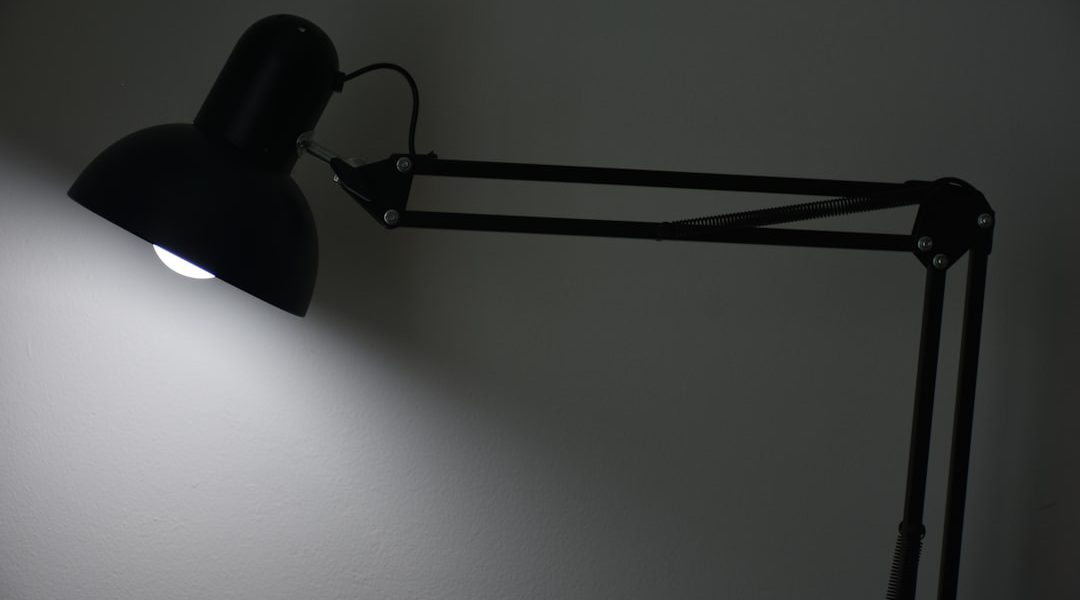
- Articulated Arm Lamps: These typically feature two or more hinged sections, often with springs to hold them in place. They offer a wide range of motion and can be positioned very precisely. They tend to be more robust and hold their position well.
- Durability Considerations: Look for lamps with sturdy metal joints. Spring-loaded mechanisms can eventually wear out, but good quality ones last for years.
- Stability: The weight of the lamp head and the balance of the arm are important for stability. Ensure it doesn’t easily tip or droop.
- Flexible Neck Lamps: These have a more fluid, bendable neck, usually made of coiled metal covered in plastic or rubber. They are generally lighter and cheaper but can sometimes be less stable and might not hold very precise positions as well as articulated arms.
- Position Retention: Over time, flexible necks can start to sag if they are holding a heavier lamp head.
- Ease of Adjustment: For quick, less precise adjustments, they can be very convenient.
Power Sources and Control Mechanisms
The way you power and control your lamp also matters.
- Plug-In Lamps: The most common type, drawing power directly from a wall outlet. These are reliable and generally offer the most consistent brightness.
- Cord Length: Consider where your outlets are located and if the cord is long enough to reach comfortably without being a tripping hazard.
- Transformer Size: Some lamps have bulky power adapters; check if this might be an issue for your desk placement.
- USB-Powered Lamps: Increasingly popular, these lamps draw power from a USB port on your computer, a USB hub, or a wall adapter with a USB port.
- Brightness Limitations: USB ports have limited power output, so USB lamps are often less bright than plug-in models. They are best for supplementary or mood lighting.
- Port Availability: Ensure you have a free USB port or a suitable adapter.
- Integrated Controls: Look for convenient switches for on/off, dimming, and sometimes even color temperature adjustment.
- Touch Controls: Modern lamps often feature sleek, integrated touch controls on the base or arm. While aesthetically pleasing, they can sometimes be sensitive to accidental touches.
- Physical Switches: Traditional physical switches are reliable and easy to operate, especially in low light.
LED Technology and Its Impact
Almost all modern desk lamps, including swivel arm models, utilize LED technology. This isn’t just a marketing buzzword; it brings tangible benefits.
Energy Efficiency and Longevity
LEDs consume significantly less power than older incandescent or halogen bulbs.
- Lower Electricity Bills: While a single desk lamp won’t drastically change your utility bill, the cumulative effect across an office or home can be noticeable.
- Reduced Heat Emission: LEDs produce much less heat than traditional bulbs. This makes your workspace more comfortable, especially during warmer months, and reduces the risk of accidental burns.
- Long Lifespan: LED bulbs are rated for tens of thousands of hours of use. This means you won’t be constantly replacing bulbs, saving you time and money.
Light Quality and Customization
The quality of light from LEDs has improved dramatically, offering more options than ever before.
- Color Rendering Index (CRI): A higher CRI means colors appear more natural under the light. For tasks where color accuracy is important (e.g., design work, art), look for lamps with a CRI of 80 or higher.
- Color Temperature (Kelvin): This refers to the perceived warmth or coolness of the light.
- Warm White (around 2700K-3000K): Similar to incandescent bulbs, creating a cozy, relaxed atmosphere, good for evening work.
- Cool White (around 4000K-4500K): A neutral, bright light that can enhance focus and alertness, often preferred for general office tasks.
- Daylight (around 5000K-6500K): Mimics natural daylight, providing a crisp, clear light that is excellent for detailed tasks and can combat fatigue.
- Adjustable Color Temperature: Many advanced swivel arm lamps allow you to switch between different color temperatures, letting you tailor the light to your task and time of day. This is a significant feature for enhancing productivity and comfort.
Factors to Consider When Choosing
Making the right choice involves looking at more than just the swivel arm.
Build Quality and Materials
The construction of the lamp dictates its durability and how well it holds its position.
- Metal vs. Plastic: While plastic components are common, lamps with more metal in the articulated arm, base, and head tend to be more robust.
- Joint Type: Ball joints, friction joints, and spring-loaded hinges all have different characteristics in terms of movement range and stability.
- Base Stability: Whether you choose a clamp base or a weighted desk base, ensure it securely anchors the lamp without wobbling, especially when the arm is extended.
Lamp Head Design and Functionality
The shape and features of the lamp head are crucial for light delivery.
- Coverage Area: A wider lamp head can illuminate a larger area, which can be beneficial for spreading light across a broader workspace.
- Beam Focus: Some heads are designed to create a very focused beam, while others offer a softer, more diffused light. Consider what works best for your primary tasks.
- Heat Sink Design: Good heat dissipation prevents the lamp head from getting excessively hot, which is important for longevity and avoiding discomfort.
Aesthetics and Integration
While practicality is key, the lamp should also fit with your existing office decor.
- Minimalist Designs: Many swivel arm lamps feature sleek, modern aesthetics that blend well with contemporary office furniture.
- Color Options: Lamps come in a range of colors, from classic black and silver to white, gray, and even some bolder hues.
- Cord Management: Some lamps have built-in features to help manage the power cord, keeping your desk looking tidier.
Common Pitfalls to Avoid
Even with a great product, there are ways to misstep.
Over-Reliance on Cheap Models
It’s tempting to go for the cheapest option, but this often leads to disappointment.
- Poor Stability: Cheap lamps may struggle to hold their position, constantly sagging or needing to be readjusted.
- Flimsy Construction: Joints can loosen, plastic can crack, and the overall lifespan of the lamp will likely be short.
- Subpar Light Quality: The LED light might be harsh, flicker, or have a poor color rendering index, negating many of the benefits.
Incorrect Placement and Usage
A versatile tool is only effective if used correctly.
- Ignoring Glare: Even with an adjustable lamp, if you position it directly behind your screen or in your line of sight, you’ll still experience glare.
- Too Little Light: Sometimes, people don’t extend the arm or use sufficient brightness settings, leaving their workspace inadequately lit, which can still lead to fatigue.
- Over-Lighting: While focused light is good, constantly working under a painfully bright light can also be tiring. Utilize dimming features if available.
Neglecting Maintenance
Even a well-built lamp can benefit from a little care.
- Dust Accumulation: A dusty lamp head or reflector can diffuse light and reduce its effectiveness. A simple wipe-down periodically can help.
- Joint Tightening: For articulated arms, if you notice some looseness, some models have small screws or mechanisms to adjust the tension of the joints.
Ultimately, a well-chosen swivel arm desk lamp is a small investment that can lead to a much more comfortable, productive, and less fatiguing work environment. It’s about taking control of your immediate light conditions, and that’s always a worthwhile pursuit.