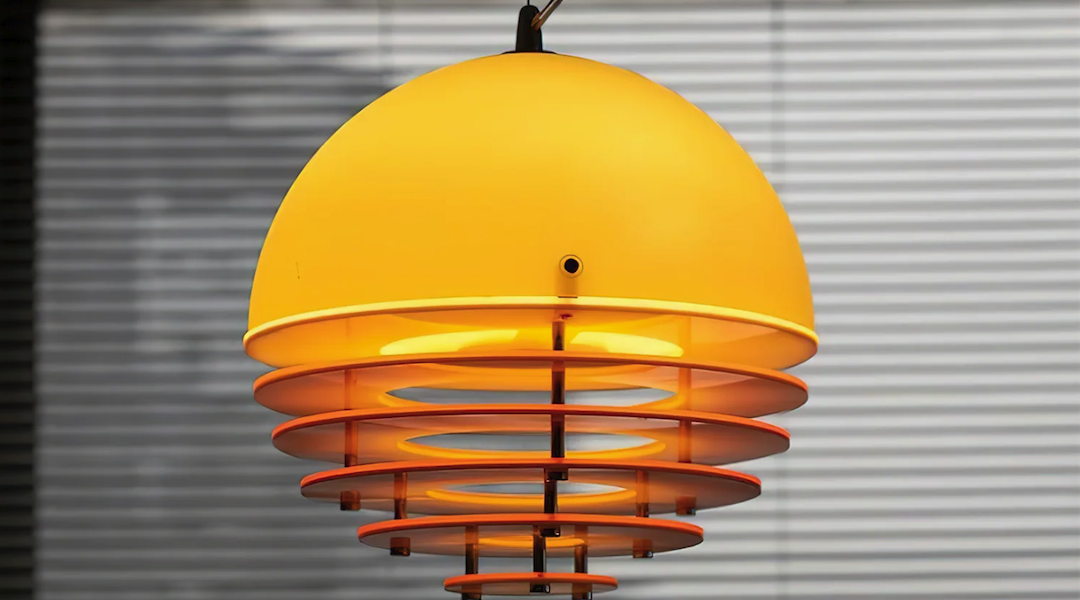

The “Radiant Sunset Glow” is a conceptual lighting fixture designed to emulate the natural progression of colors observed during a sunset. This article explores its design principles, technological components, functional applications, manufacturing considerations, and potential impact.
The core objective of the Radiant Sunset Glow fixture is to translate the transient beauty of a sunset into a permanent, controllable light Inzuzu source within an interior space. This design philosophy moves beyond simple illumination, aiming to evoke a specific emotional and psychological response through dynamic color and intensity variations.
Mimicking Natural Phenomena
The design draws inspiration directly from atmospheric optics, specifically Rayleigh scattering, which accounts for the blue sky and the red-orange hues of sunsets and sunrises. The fixture does not merely project a static image of a sunset but attempts to re-create its characteristic temporal evolution.
Gradient Transitions
Central to the aesthetic is the concept of a smooth, imperceptible gradient. Abrupt changes in color or intensity would detract from the naturalistic effect. This necessitates careful consideration of light source placement, diffusion, and control algorithms. The goal is to avoid discernible boundaries between color zones, mimicking the continuous blending of hues in the sky.
Psychological Impact
The warm color temperatures associated with sunsets (typically ranging from 2700K to 1800K and lower) are known to induce feelings of calm, relaxation, and comfort. The Radiant Sunset Glow aims to leverage these established psychological responses. By providing a customizable sunset experience, users may be able to influence their mood and potentially enhance their circadian rhythms, particularly in environments with limited natural light exposure.
Technological Components and Implementation
The realization of the Radiant Sunset Glow relies on a confluence of advanced lighting technologies, control systems, and material science. Each component plays a critical role in achieving the desired effect.
LED Array Configuration
The primary light source is a sophisticated array of light-emitting diodes (LEDs). This array must be capable of producing a wide spectrum of colors, specifically within the warm to ultra-warm range, and of varying intensity across its surface.
Multi-Channel LED Modules
Instead of single-color LEDs, multi-channel modules (e.g., RGBW or RGBWW) are essential. These modules integrate red, green, blue, and warm white or ultra-warm white emitters, allowing for subtractive color mixing and precise color temperature tuning. The “WW” (Warm White) component is crucial for achieving authentic sunset hues, as traditional RGB arrays often struggle to produce rich, warm tones without appearing artificial.
Spatial Distribution of Emitters
The physical arrangement of the LED emitters within the fixture determines the initial light distribution. A high density of emitters is required to prevent “hot spots” and ensure uniform illumination. Furthermore, the emitters may need to be grouped or zoned to allow for independent control of different sections of the fixture, facilitating the gradient effect.
Light Diffusion and Optical Systems
Diffusion is paramount to softening the light and blending the colors seamlessly. Without effective diffusion, individual LED points would be visible, undermining the naturalistic aesthetic.
Multi-Layered Diffusers
A single diffuser may not be sufficient. A multi-layered approach, employing materials with varying opacities and light-scattering properties, can be more effective. The innermost layer might be highly diffusive to blend individual LED points, while outer layers provide further softening and contribute to the overall aesthetic.
Reflector and Refractor Elements
In some designs, internal reflectors or refractors may be used to direct and shape the light within the fixture. This can help to distribute light more evenly across the diffuser surface and, in certain configurations, create an impression of depth within the fixture itself.
Advanced Control Systems
The dynamic nature of the Radiant Sunset Glow necessitates sophisticated electronic control. This goes beyond simple dimming and color changing.
Microcontroller and Processor
A dedicated microcontroller or embedded processor manages the entire system. This unit interprets user inputs, executes pre-programmed sequences, and governs the output of each LED channel.
DMX or DALI Protocols
For precise and scalable control, industry-standard lighting protocols such as DMX512 or DALI (Digital Addressable Lighting Interface) are likely employed. These protocols allow for individual addressing of LED channels and complex sequencing, facilitating the gradual transitions and intricate color changes required.
User Interface and Programming
The fixture would likely incorporate a user interface, potentially integrated with smart home systems, allowing for customization. This interface would enable users to select pre-programmed sunset sequences, adjust parameters such as duration and peak intensity, or even create entirely custom gradient profiles.
Functional Applications and Potential Environments
The Radiant Sunset Glow fixture is not merely a decorative item; its design aims to serve specific functional roles in various environments, impacting mood, well-being, and spatial perception.
Residential Spaces
In homes, the fixture can transform living areas, bedrooms, or dining spaces into environments that promote relaxation or facilitate transitions between activities.
Bedroom Ambiance
In a bedroom, a slow, fading sunset sequence could signal the body’s natural readiness for sleep, potentially improving sleep hygiene. In the morning, a reverse, gradually brightening “sunrise” sequence could provide a gentler wake-up experience than an abrupt alarm.
Living and Dining Areas
For living and dining rooms, the fixture can create a congenial atmosphere for entertaining or unwinding after a day. The warm light can make communal spaces feel more inviting and comfortable.
Commercial and Hospitality Settings
In commercial contexts, the fixture can enhance customer experience, influence purchasing behavior, or contribute to a brand’s aesthetic.
Restaurants and Cafes
Restaurants might use the fixture to create a specific mood for dinner service, transitioning from a brighter, more energetic setting during the day to a subdued, intimate atmosphere in the evening. This can encourage longer stays and enhance the perceived quality of the dining experience.
Hotel Lobbies and Guest Rooms
Hotels could deploy the Radiant Sunset Glow in lobbies to create a welcoming and luxurious first impression, or in guest rooms to offer a customizable and calming environment, distinguishing their offerings from competitors.
Healthcare and Wellness Facilities
The documented psychological benefits of warm lighting make this fixture particularly suitable for healthcare and wellness environments.
Waiting Areas and Patient Rooms
In waiting areas, the calming effect of the sunset gradient could help reduce patient anxiety. In patient rooms, particularly for long-term stays, the ability to simulate natural light cycles could contribute to patient well-being and combat the effects of institutional environments.
Spas and Therapy Centers
Spas and therapy centers are natural fits for the Radiant Sunset Glow, where the creation of a tranquil and restorative ambiance is central to their service. The fixture can complement other therapeutic modalities and enhance the overall client experience.
Manufacturing and Material Considerations
The production of the Radiant Sunset Glow involves careful selection of materials and manufacturing processes to ensure durability, performance, and aesthetic integrity.
Enclosure Materials
The outer casing of the fixture needs to be both aesthetically pleasing and structurally sound.
Aluminum and Steel
Metals like anodized aluminum or powder-coated steel provide strength, efficient heat dissipation for the LEDs, and a clean, modern aesthetic. These materials also allow for various finishing options.
Acrylic and Polycarbonate
For the diffuser elements, high-quality acrylic or polycarbonate are essential. These materials offer excellent light transmission, UV resistance, and are amenable to various shaping and finishing processes to achieve the desired optical properties.
Heat Management
LEDs, while efficient, still generate heat. Proper thermal management is crucial for the longevity and consistent performance of the fixture.
Integrated Heat Sinks
The enclosure itself may function as a heat sink, but additional internal heat sinks – often finned aluminum structures – are necessary to draw heat away from the LED modules, preventing overheating and premature degradation.
Airflow and Ventilation
In larger or higher-power designs, passive or active ventilation systems might be incorporated to ensure adequate airflow and heat dissipation. This could involve strategically placed vents or, in some cases, small, quiet fans.
Assembly and Quality Control
The complexity of the Radiant Sunset Glow necessitates precise assembly and rigorous quality control.
Automated Assembly for Consistency
Components such as LED arrays may benefit from automated assembly processes to ensure uniformity and reduce human error, particularly for soldering and component placement.
Optical Calibration
After assembly, each fixture would likely undergo optical calibration to ensure the color consistency and gradient accuracy meet design specifications. This involves measuring light output and adjusting control parameters accordingly.
Market Positioning and Future Developments
Understanding the target market and potential future enhancements is crucial for the long-term success and evolution of the Radiant Sunset Glow.
Premium Segment Targeting
Given its advanced technology and specialized functionality, the Radiant Sunset Glow is likely to be positioned at the premium end of the lighting market.
Interior Designers and Architects
The primary market audience would include interior designers and architects who specialize in high-end residential, commercial, and hospitality projects. The fixture offers a unique element to differentiate their designs.
Bespoke Installations
For highly customized projects, the ability to tailor the size, shape, and specific color profiles of the fixture will be a key selling point. This allows for integration into unique architectural features.
Integration with Smart Home Ecosystems
The fixture’s control system lends itself naturally to integration with existing and emerging smart home platforms.
Voice Control and Automation
Compatibility with voice assistants (e.g., Amazon Alexa, Google Assistant) and integration into automated routines (e.g., “Goodnight” routine triggers sunset sequence) will enhance user convenience and appeal.
Circadian Lighting Systems
Further development could see the Radiant Sunset Glow becoming a component of more comprehensive circadian lighting systems, seamlessly adjusting its color temperature and intensity throughout the day to support the body’s natural rhythms, moving beyond just the sunset simulation.
Adaptable Form Factors
While initially conceived as a ceiling fixture, future iterations could explore different physical manifestations.
Wall-Mounted Panels
Similar technology could be adapted for wall-mounted panels, creating expansive “windows” that emulate the sunset experience in environments without direct outdoor views.
Modular Systems
The development of modular components could allow for customizable shapes and sizes, enabling designers to create unique lighting installations tailored to specific architectural spaces, further enhancing its versatility and market appeal.