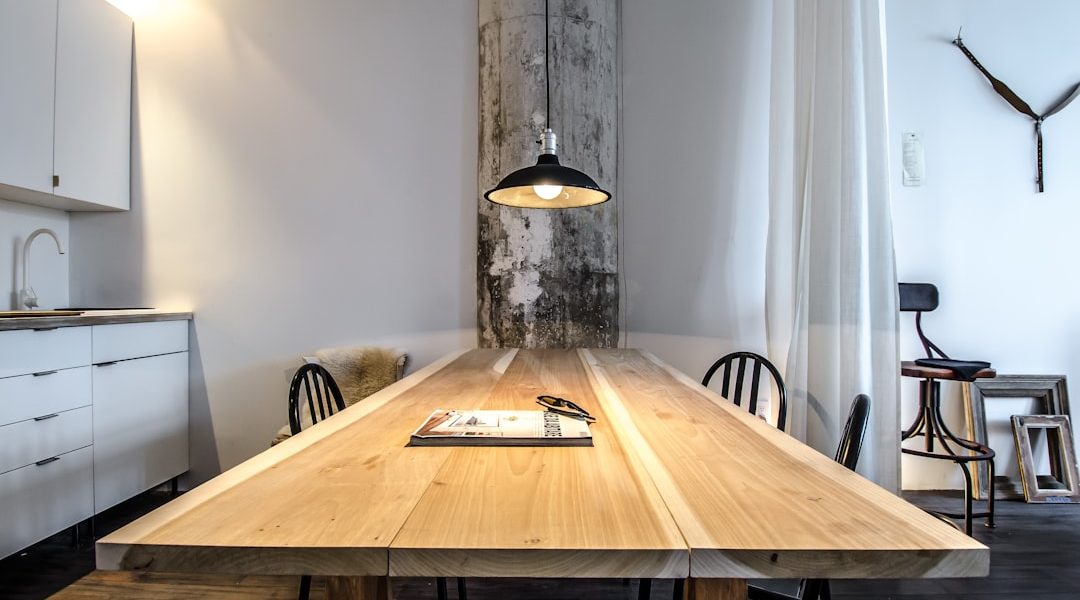

Mid-century modern (MCM) pop art pendant lighting represents a distinct convergence of two influential design movements. This article examines the characteristics, historical context, and practical applications of this lighting style for contemporary interiors. Understanding its nuances can aid in informed design decisions.
Mid-century modern is a design aesthetic that emerged roughly between the mid-1930s and mid-1960s. It is characterized by clean lines, organic and geometric forms, a focus on functionality, and a seamless integration of indoor and outdoor spaces. The post-World War II era spurred innovation in materials and manufacturing processes, which profoundly impacted furniture, architecture, and lighting design.
Post-War Innovation and Materiality
The war’s end unleashed a pent-up demand for housing and consumer goods. Designers embraced new materials like plywood, fiberglass, plastic, and aluminum, allowing for mass production and innovative shapes. This era moved away from the ornate decorations of previous periods, favoring simplicity and utility.
- Plywood Molding: Techniques for molding plywood into complex curves, pioneered by designers like Charles and Ray Eames, opened new possibilities for furniture and lighting forms.
- Fiberglass Reinforcements: The development of fiberglass allowed for lightweight yet strong and sculptural forms, often seen in lampshades and diffusors.
- Plastic Integration: Various plastics, from acrylic to polypropylene, offered a spectrum of colors and translucent properties, ideal for diffusers and decorative elements.
Key Designers and Influences
Several luminaries shaped the MCM aesthetic, their philosophies often emphasizing democratic design and accessibility.
- The Eames Office: Charles and Ray Eames were pivotal in exploring new materials and manufacturing techniques, creating iconic furniture and lighting that exemplified the era’s spirit.
- George Nelson: Nelson’s designs, particularly his “Bubble Lamps,” are quintessential MCM, utilizing plastic spray-coated metal frames to create soft, diffused light.
- Isamu Noguchi: Noguchi’s “Akari” light sculptures, blending traditional Japanese paper lanterns with modern forms, offered a different, more organic take on lighting.
The Influx of Pop Art into Design
Pop art, emerging in the mid-1950s and gaining prominence in the 1960s, was a significant counterpoint to the seriousness of abstract expressionism. It drew inspiration from popular culture, advertising, comic books, and everyday objects, bringing them into high art. This movement challenged conventional notions of art and design, infusing vibrancy and often ironic humor.
Characteristics of Pop Art
Pop art’s distinctive visual language involved specific stylistic choices that directly influenced applied arts, including lighting.
- Bold Colors: A predominant feature was the use of bright, often primary and secondary colors, frequently in high contrast. Think reds, yellows, blues, and Greens.
- Graphic Imagery: Pop art often incorporated graphic elements, halftone dots, comic strip aesthetics, and bold outlines.
- Repetition and Mass Production: Reflecting consumer culture, pop artists frequently used repetitive imagery and celebrated mass-produced items.
- Irony and Juxtaposition: Many pop art pieces featured ironic commentaries on society, consumerism, and art itself.
Pop Art’s Impact on Interior Design
The visual exuberance of pop art found its way into homes through furniture, textiles, and, notably, lighting. It injected a sense of playfulness and modernity.
- Statement Pieces: Pop art-inspired designs often served as focal points, drawing attention with their color and form.
- Youthful Aesthetic: It resonated with a younger generation seeking to break away from traditional aesthetics, embracing a more dynamic and modern lifestyle.
- Eclectic Mixing: Pop art allowed for a more eclectic approach to interiors, where bold, artistic elements could coexist with
otherwise minimalist MCM foundations.
The Synergy of Mid-Century Modern and Pop Art in Lighting
The synthesis of MCM principles (functionalism, clean lines, innovative materials) with pop art aesthetics (bold colors, graphic forms, playful elements) resulted in a unique category of pendant lighting. These fixtures often served not just as light sources but as sculptural art pieces in themselves.
Form and Function in Pendant Lighting
MCM pop art pendant lighting prioritizes both aesthetic appeal and practical illumination. The form is often a primary consideration, with the light emitted serving its intended purpose.
- Sculptural Presence: Many fixtures are designed to be visually engaging even when unlit, acting as an artistic installation.
- Task vs. Ambient Lighting: While some are purely decorative, others are designed to provide focused task lighting over dining tables or kitchen islands, or contribute to general ambient illumination.
- Modular Designs: Some pendant lights from this era incorporated modular elements, allowing for customization and varied configurations.
Color Palettes and Materials
The specific choices of color and material are central to the identity of MCM pop art pendant lighting.
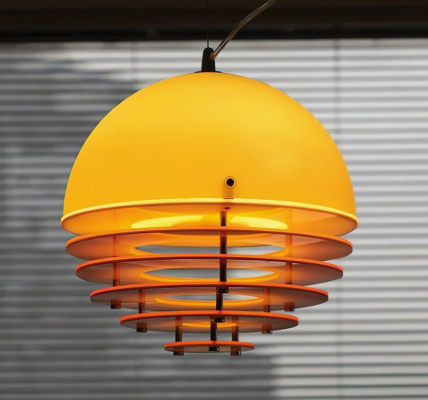
- Vibrant Hues: Expect a kaleidoscope of colors – tangerine oranges, avocado greens, mustard yellows, electric blues, and fiery reds. These colors are often used in blocks or in stark contrast.
- Translucent and Opaque Materials: Plastics like acrylic and polycarbonate are common for their ability to diffuse light and hold vibrant pigments. Enameled metals also feature prominently, offering opaque surfaces for geometric forms.
- Glossy Finishes: High-gloss finishes are often employed to enhance the vibrancy of colors and add a sleek, modern touch.
Iconic Examples and Archetypes
While specific designers may be less known for individual “pop art” pendant lights compared to overall MCM furniture, certain archetypes embody the fusion:
- The “Flying Saucer” Pendant: Often featuring domed or flattened spherical forms, sometimes with multiple tiers, in bold colors or contrasting tones.
- The “Artichoke” Lamp Variation: While Poul Henningsen’s original is more elegant MCM, pop art variations might feature similar layered, scale-like structures in vivid, non-traditional colors or patterns.
- Geometric Multi-Light Fixtures: Chandeliers incorporating multiple individual pendant elements, each a simple geometric shape (sphere, cube, cone), arranged in a dynamic composition.
Integrating Mid-Century Modern Pop Art Pendants into Contemporary Spaces
The appeal of MCM pop art pendant lighting lies in its ability to inject character and visual interest into a variety of interior styles. It’s a statement piece that can define a space.
Strategic Placement for Visual Impact
The placement of these fixtures is paramount to maximizing their aesthetic and functional contribution.
- Above Dining Areas: A single large pendant or a cluster of smaller ones can anchor a dining table, providing both illumination and a focal point.
- Kitchen Islands: For open-plan living, pendants over a kitchen island can delineate the space and add a touch of mid-century flair.
- Entryways and Foyers: A striking pendant in an entryway creates an immediate impression, setting the tone for the rest of the home.
- Living Room Accents: While less common as primary living room lighting, a smaller pendant could be used to highlight a specific seating area or art piece.
Pairing with Existing Decor
MCM pop art pendants are versatile, but thoughtful pairing enhances their presence without overwhelming the room.
- Minimalist Backgrounds: A neutral, minimalist backdrop (white walls, light wood floors) allows the pendant to truly pop as an artistic statement.
- Complementary MCM Furniture: Naturally, these pendants integrate seamlessly with other MCM furniture pieces, creating a cohesive aesthetic.
- Eclectic Interiors: In more eclectic spaces, a pop art pendant can act as a bridge between different design eras, adding an unexpected element of playfulness. Avoid too many competing bold elements.
Color and Material Harmony
Careful consideration of the pendant’s color and material in relation to the existing palette is crucial.
- Accent Color: Use the pendant as an accent, introducing a bold color that is otherwise subtly present in textiles, pillows, or artwork.
- Repetition of Form: Echo geometric shapes or curves from the pendant in other elements of the room, such as rugs, mirrors, or decorative objects, to create visual rhythm.
- Material Cohesion: If the pendant features polished chrome, ensure some other metallic elements in the room echo that finish to unify the space.
Maintenance and Considerations for Longevity
Like any design element, MCM pop art pendant lighting requires proper care to maintain its aesthetic and functional integrity. Many vintage pieces may also require attention due to age.
Cleaning and Care of Materials
Different materials require specific cleaning approaches to prevent damage or degradation.
- Plastics (Acrylic, Polycarbonate): Use a soft, damp cloth with mild soap and water. Avoid abrasive cleaners or harsh chemicals, which can scratch or haze the plastic.
- Metals (Chrome, Aluminum, Enamel): For chrome, a microfiber cloth and glass cleaner (spray onto cloth first) works well. Enameled surfaces can be cleaned with mild soap and water. Avoid abrasive pads.
- Glass: Standard glass cleaner is appropriate for glass components. Ensure no liquid seeps into electrical components.
Electrical Safety and Installation
Given that many significant pieces are vintage, electrical inspection and professional installation are often necessary.
- Rewiring Vintage Pieces: Older fixtures may have deteriorated wiring that poses a fire hazard. Professional rewiring with modern, insulated cable is often a sensible step.
- Professional Installation: Always consult or hire a qualified electrician for installation, especially for heavy or complex fixtures, to ensure proper mounting and electrical connection to avoid hazards.
- LED Compatibility: Modern LED bulbs can often replace incandescent bulbs, offering energy efficiency and a longer lifespan, often without compromising the fixture’s aesthetic. Check wattage and dimmer compatibility.
Sourcing and Authenticity
Acquiring authentic MCM pop art pendants involves careful research and consideration.
- Vintage Markets and Dealers: Reputable vintage furniture and lighting dealers are often the best source for authentic pieces. They can provide provenance and condition reports.
- Reproductions and Replicas: Many companies produce high-quality reproductions that capture the spirit of the era. These can be a more accessible alternative but should be clearly identified as such.
- Condition Assessment: For vintage items, assess the condition of the materials, wiring, and structural integrity. Minor flaws may add character, but significant damage can affect longevity and safety.
In sum, mid-century modern pop art pendant lighting offers a powerful tool for injecting character, color, and design historical significance into contemporary spaces. By understanding its origins, aesthetic principles, and practical considerations, you can effectively integrate these pieces to create a truly distinctive interior.